5 Common Mistakes Homeowners Make After Fire Damage
If you’re reading this, chances are you’ve been through one of the most terrifying experiences a homeowner can face. The trucks have left, the noise has faded, but now you’re standing there, heart pounding, wondering, “What on earth do I do now?” What to do after a home fire is the biggest question on your mind, and it’s completely normal to feel completely overwhelmed.
In case of a fire, it’s easy to make quick decisions that feel right but can actually make the recovery process longer and more stressful. And while your first thought might be to dive right in and start fixing things, the most important step right now is to take a deep breath. We’re going to walk through the five most common slip-ups homeowners make, so you can skip the stress and move forward with confidence, knowing exactly how to protect your family, your home, and your peace of mind.
1. Risking Your Safety by Entering Too Soon
We get it. Your whole life is in that house. Your photos, your keepsakes, your pet’s favorite toy. The urge to rush back in and grab what you can is very powerful. But here’s the hard truth: one of the most critical steps to take in the event of a fire is to wait for the official all-clear.
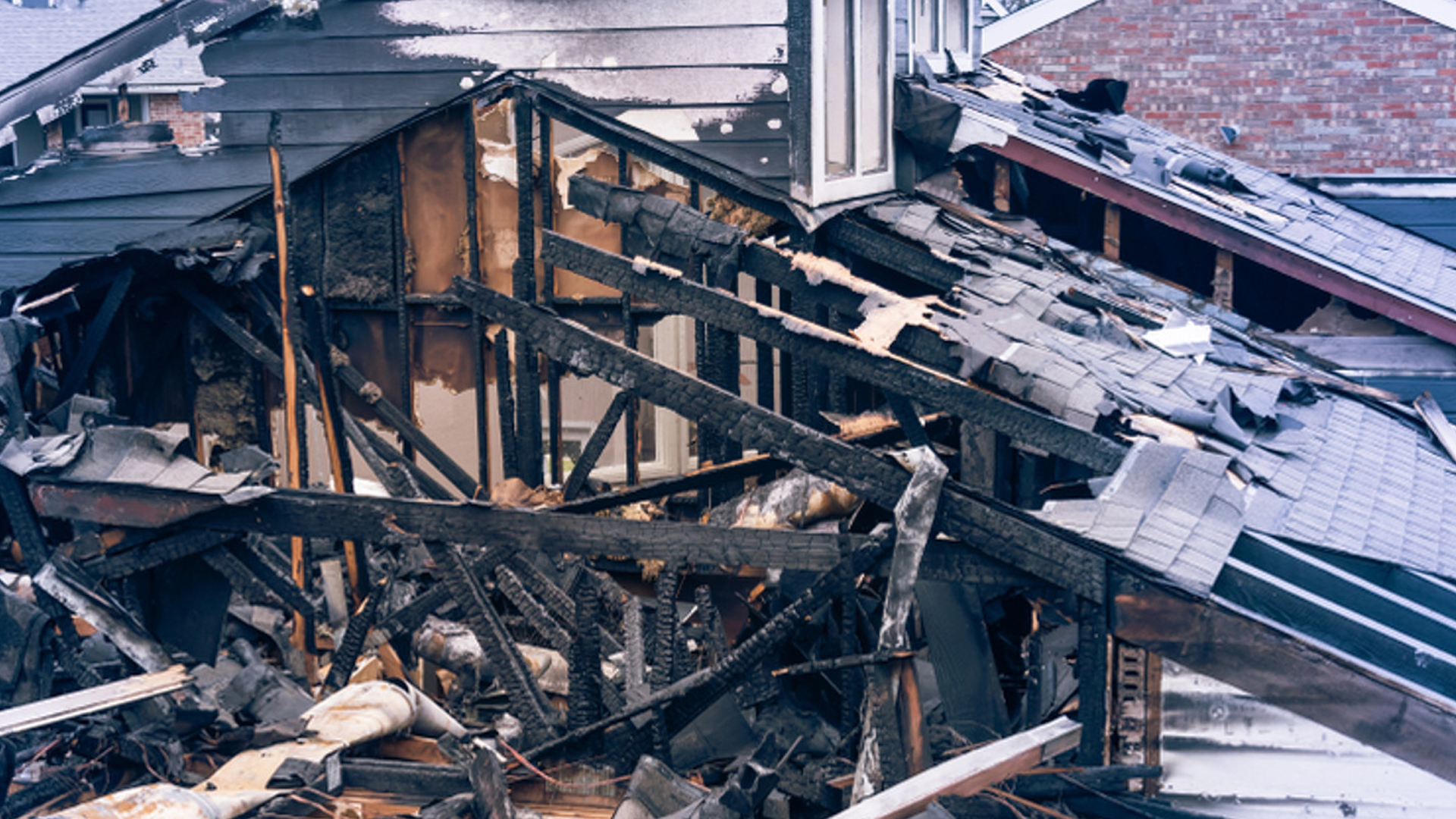
You might be thinking, “It looks okay from the outside,” but a house after a fire is a bit like a Jenga tower that’s been shaken. It might look like it’s still standing, but key supports could be dangerously weak. The fire can weaken floors, and roofs can be just moments from collapsing. It’s not a risk worth taking.
And it’s not just the structure. That smoke in the house leaves behind more than just a smell. The soot from smoke is a nasty mix of chemicals and acids that you really don’t want to be breathing in. It can cling to everything and is a real health hazard.
So, what should you do instead? The only person who can truly give you the green light to go back inside is the fire marshal. They are the experts who will check that the structure is sound and the air is safe. If you absolutely must go and get something important, always wait for their permission and wear a mask and sturdy gloves. Your safety is the absolute number one priority. Getting hurt won’t help anyone, and it will only make a tough situation much harder.
2. Failing to Document Everything for Your Insurance Claim
Now that you know to stay safe and wait for the all-clear, let’s talk about the next critical step: protecting your financial future. Once you are officially allowed back on the property, your most important job is to create a rock-solid record of what happened. Think of yourself as a detective collecting evidence for your biggest ever case, which is your insurance claim for fire damage.
This visual proof is what makes your house fire insurance claims process smooth and fair. Which is why the smartest thing you can do at this point is to create a detailed inventory list. Write down every single damaged item, and if you can, note its approximate age and value.
Here is a simple checklist of what you need to document:
- Photograph and video every room: Capture wide shots of the entire area and close-ups of specific damage.
- Focus on damaged belongings: Take clear pictures of all the things that burned or were ruined by smoke and water.
- Create a detailed inventory list: Write down every single item, its approximate value, and its age if you know it.
- Don’t forget hidden areas: Open cabinets, closets, and drawers to show damage inside.
- Keep all your receipts: This includes any expenses for temporary lodging or supplies, as they may be part of your claim.
This is also why you should never, ever think about who buys fire damaged homes or try to sell the property as-is before the insurance process is complete. Doing so can completely void your claim. The insurance adjuster needs to see the full extent of the damage with their own eyes. If you throw things out or sell, you’re essentially tossing your proof and your payout right out with the trash.
3. Underestimating the Dangers of Soot and Smoke Residue
You’ve taken all the right pictures and started your inventory list. Great job. Now, let’s talk about something you can’t always see clearly, but is causing damage by the minute. Many people look at the black, dusty film covering their home and think, “It’s just a mess I can clean up later.” But that dust is actually a danger in disguise.
That film is a combination of soot from smoke and other toxic particles, and it’s far more than just dirt. This residue from fires is acidic and corrosive. You can think of it like a slow-acting acid, which if left on surfaces, can permanently etch your glass windows, tarnish metal appliances, and ruin electronics for good.
This widespread smoke contamination after fire also creates a serious health risk, with particles that are terrible for your lungs. The only way to truly tackle this is through professional restoration after a fire. These experts have the right equipment to safely remove every trace of hazardous residue, making your home truly clean and safe again.
4. Delaying or Mishandling the Professional Restoration Process
You now understand why soot and smoke are silent destroyers. But here’s the next piece of the puzzle: fire often brings a partner in crime – water. And where there’s moisture, trouble follows quickly. Putting off the cleanup doesn’t just pause your life; it makes the problem worse and more expensive to fix.
Think about the water used to fight the flames. It soaks into your drywall, carpets, and wood. Within just 24 to 48 hours, that dampness can become a full-blown mold problem, adding a whole new headache and repair bill. At the same time, that acidic soot we talked about is slowly eating away at your home’s surfaces. Delaying the proper cleanup gives these processes a head start, turning a big job into a massive one.
This is precisely why knowing what to do after a fire destroys your home means calling in the experts right away. A professional restoration team doesn’t just clean; they perform emergency surgery on your house. They extract water, completely dry the structure, and stop mold before it can start. They have the tools and knowledge to address both the soot you can see and the smoke contamination after fire hidden in your walls and vents.
5. Throwing Away Damaged Items Too Soon
After everything we’ve discussed, from documenting damage to starting restoration, this final mistake is about patience. We know the urge to clear out the mess is powerful. It feels like you’re finally taking control and moving forward. But tossing your damaged belongings too quickly is one of the biggest missteps you can make.
Remember all that careful documentation for your insurance claim for fire damage? If you throw items away before the insurance adjuster has seen them, you’ve just thrown away your evidence. It becomes your word against theirs about what was actually lost. This can actually slow down your house fire insurance claims and might even reduce your final settlement.
Here’s what to do instead:
- Move items, don’t remove them: If you need to clear a path for safety, move damaged things to another part of the property, like the garage.
- Wait for the official okay: Do not permanently discard anything until your insurance adjuster has completed their inspection and given you the green light.
- When in doubt, take more pictures: If something is a safety hazard and must be disposed of immediately, take extensive photos and videos from every angle first.
Your Path to Recovery and Restoration
We know that dealing with fire damage to a home is an overwhelming experience. However, by avoiding these common mistakes, you can protect your safety, your insurance claim, and your home’s future. Being aware of these common fire hazards and their aftermath is arguably your first step toward a smoother recovery.
If you’re feeling unsure about the next steps, you don’t have to face it alone. Our team at Rock Bottom Recovery & Restoration specializes in Fire & Smoke Damage Restoration. Give us a call at 331-256-1728 anytime for a friendly chat, or visit our website to learn more about how we can help you get your home and your peace of mind back.
Frequently Asked Questions
The absolute first thing is to ensure everyone's safety and wait for the fire department to officially clear you to re-enter your home. Your safety is more important than retrieving any belongings. Yes. Soot is not just dirt; it's a toxic, acidic residue that can damage your home and health. It can corrode surfaces and contains harmful particles you shouldn't breathe in, which is why professional cleanup is so important. You should contact your insurance company immediately. Most policies require "prompt notice," and delaying can lead to complications or even a denial of your claim. Without insurance, you are personally responsible for all costs, including demolition, rebuilding, and temporary housing. Options can include using personal savings, applying for disaster assistance, or exploring charitable organizations for help. It's not recommended. DIY cleaning can often set smoke stains and grind soot deeper into materials, making the damage permanent. Professionals have the right equipment and training to safely and effectively restore your home.1. What is the first thing you should do after a house fire?
2. Is soot after a fire dangerous?
3. How long do I have to file a fire insurance claim?
4. What happens if your house burns down without insurance?
5. Can I clean fire damage myself?