
5 Common Water Damage Mistakes Homeowners Make
Finding water where it shouldn’t be is something that makes most homeowners skip a beat. Whether it’s a mysterious puddle in the basement or a worrying brown stain spreading across your ceiling, your first thought is probably, “What do I do now?” In that moment of panic, it’s easy to make a quick decision that you are probably going to regret later. This guide is designed to walk you through the most common mistakes homeowners make after water damage, so you can avoid this part.
Maybe you’ve already found this blog by asking Google, “What should I do first after a water leak?” Great! You’re in the right place. We’re going to cover everything from what those hidden signs of water damage in walls look like, to why a quick response is your best bet, all the way through the full water damage restoration process. By the end, you’ll feel confident and ready to handle the situation, step by step.
Understanding Water Damage
Before we jump into the common slip ups, let’s take a quick second to understand what we’re actually facing. It’s not just about the water you can see.
Think of it as the start of a domino effect; a small leak can lead to wall water damage far from the original source or cause water damaged wood in your floors, all because moisture loves to travel and settle where you least expect it. And this brings us to the biggest reason you can’t afford to wait. That hidden dampness is a welcome mat for mold, which leads many to ask, “is mold from water damage dangerous?” Unfortunately, yes, and it can begin growing in as little as 24-48 hours.
So, how do you spot trouble early? Keep an eye out for those early signs of water damage in walls and ceilings we mentioned earlier, including peeling paint, a musty smell, or those telltale discolored patches. Catching these clues early is the most important thing you can do to prevent any further damage to your home.
Mistake 1 – Delaying Action
You just learned about the domino effect, and this mistake is what pushes the first tile over. It’s completely understandable to feel overwhelmed and hope a small leak will just dry up on its own. But when it comes to water, procrastination is your biggest enemy.
Why is waiting so costly? Because the clock is ticking from the moment the leak starts. Remember asking, “how fast can mold grow after water damage?” Well, those spores can begin multiplying in that damp environment you read about in less than 48 hours. But mold isn’t the only issue. That delay also gives water more time to:
- Weaken structures: What starts as a small stain quickly turns into sagging ceiling water damage or soft, crumbling drywall.
- Warp and rot: Your beautiful hardwood floors or cabinets, now water damaged wood, can warp beyond repair.
- Skyrocket costs: A simple water damage cleanup can quickly turn into a major, costly repairing water damage project involving rebuilding entire sections of your home.
Your best move here is to act immediately. The moment you discover a leak, your goal should be to start the water damage cleanup process. This begins with stopping the water source if it’s safe, and then immediately calling in professionals who have the tools and expertise to dry things out properly and prevent the dominoes from falling.
Mistake 2 – Ignoring Hidden Damage
You now know to act fast, but what if the real problem is hiding from you? It’s easy to assume a dry surface means the danger has passed. But water is a master at hide-and-seek. It loves to linger out of sight, soaked into the back of your drywall damaged by water, trapped under floors, or dampening the wooden frames inside your walls. This is the core of many common water damage restoration mistakes; thinking what you see is all you get.
This hidden moisture is an open invitation for mold after water damage to grow undetected, and it can slowly rot your home’s structure. This is why fixing water damage requires professional tools like moisture meters and thermal cameras to find the dampness you’d never spot yourself. It’s the only way to be sure your home is truly dry and safe, preventing those hidden issues from becoming tomorrow’s big headache.
Mistake 3 – Attempting DIY Cleanup Without Proper Tools
After learning about hidden damage, you might be tempted to take matters into your own hands. It feels proactive, right? This leads us to our next common mistake which is thinking a mop, a few towels, and a household fan are enough to handle a serious leak. The truth is, these tools are designed for spills, not for stopping water that has soaked into your home’s structure.
Trying a DIY approach to cleaning water damage often does more harm than good. Without powerful equipment, you might only dry the surface, pushing moisture deeper into your floors and walls. This creates the perfect hidden damp environment we just talked about, making sure mold after water damage will become your next problem. It also drags out the entire water damage restoration, turning a job that could take days into one that takes weeks.
Your solution here is to leave it to the pros with the right gear, because a professional team doesn’t just use fans; they use a powerful system:
- Industrial-grade extractors to remove hundreds of gallons of water you can’t see.
- High-velocity air movers that force evaporation from deep within materials.
- Commercial dehumidifiers that pull this moisture from the air, stopping mold in its tracks.
Getting professionals involved with the right equipment is the surest way to dry your home completely. But even a perfect drying job can be wasted effort if you don’t take on the issue that caused the mess in the first place. This leads us directly to our next mistake.
Mistake 4 – Not Addressing the Root Cause
So now your home is dry and you’re feeling relieved. But here’s a question: do you know what caused the water to get in? If you don’t fix the original problem, you’re just setting yourself up for a repeat performance.
This is exactly how water damage leads to a frustrating and costly cycle. Think about it:
- You repair a beautiful ceiling stain, but you don’t fix the leaky roof that caused it.
- You dry out your walls perfectly, but the cracked pipe behind them is still dripping.
- You replace a section of flooring, but the faulty appliance that flooded it is still connected.
In each case, you’ve solved the symptom but not the sickness. The water will be back, and you’ll have to start this whole stressful (and expensive) process over again.
That’s why the final step in any good restoration isn’t just drying, it’s addressing the root cause. A great professional will help you find that root cause so you can fix it for good. This is the most effective form of water damage prevention, and it’s the only way to break the cycle and make sure you’re not doing this again next year.
Mistake 5 – Neglecting Mold and Safety Concerns
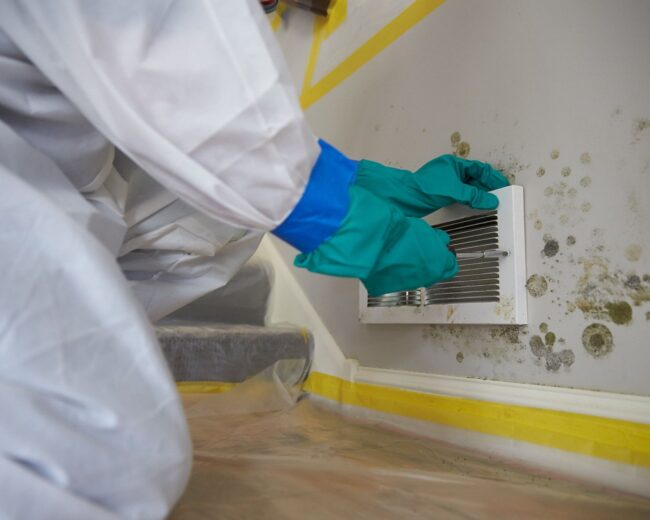

You’ve tackled the root cause, which is a huge win. But there’s one last, invisible threat that often gets overlooked in the rush to get back to normal. We’re talking about the health and safety risks that stay long after the water is gone.
It’s not just about the structure of your home; it’s about the air you breathe and the surfaces you touch. When dampness is left behind, it creates a perfect environment for unhealthy spores to appear in your walls and ceilings, which can affect your family’s well-being.
But that’s not the only risk. It’s important to remember:
- Electrical dangers from outlets or wiring that got wet.
- Contaminated water from sewage backups, which can harbor harmful bacteria.
- Slippery surfaces and even unstable flooring that can cause falls.
Your safest path forward is to treat safety as non-negotiable. A complete professional water damage cleanup doesn’t end with drying. It should always include a final inspection and thorough safety checks to ensure your home is not just dry, but truly clean, secure, and ready for your family.
The Bottom Line
From the initial delay to overlooking hidden dangers, we’ve walked through the five most common water damage mistakes homeowners make. Remember, the key to protecting your home lies in acting quickly, trusting professional tools to find hidden moisture, and always fixing the root cause. By staying calm and informed, you can avoid these pitfalls, reduce the stress of the situation, and make sure your home is properly restored.
When you need that expert help, our team at Rock Bottom Recovery & Restoration is here for you. We provide professional water damage cleanup that ensures your home isn’t just dry on the surface, but completely dry, safe, and healthy for your family. Give us a call at 331-256-1728 or visit our service page at https://rockbottomrestoration.com/water-damage-cleanup/ to learn more about how we can help.
Frequently Asked Questions
The most common culprits are leaking or burst plumbing pipes inside your walls, along with appliance failures from water heaters, washing machines, and dishwashers.
Warning signs include sagging or bowing ceilings, warped floors that feel soft or bouncy underfoot, and new cracks that appear in your walls or around door frames.
The biggest concern is mold growth. Mold can begin developing within 24-48 hours in damp materials, leading to potential health issues and significantly complicating the cleanup process.
Repair costs vary widely, from a few hundred dollars for a minor leak to tens of thousands for extensive damage that requires structural repairs and professional mold remediation.
Mold is highly likely if wet areas are not completely dried within 48 hours. Since water soaks into porous materials like drywall, professional drying is often essential to prevent it.