
5 Mold Remediation Myths Busted by Experts
If you have ever sprayed a moldy spot with bleach and considered the job done, you have already fallen for one of the most common myths about mold. Unfortunately for you, bleach does not kill mold for good; it often just bleaches it white, leaving the root of the problem to grow back stronger. This is just one of the many common mold myths that can put your home and health at risk.
Maybe you have found yourself asking a voice assistant, “is black mold the only dangerous kind?” or “can I handle mold cleanup myself?” These are smart questions, and they show just how much confusion is out there. To clear it all up, we are busting the top 5 myths about mold that every homeowner needs to stop believing, starting with the truth about what you cannot see.
Myth #1: If You Can’t See Mold, It’s Not There
Think about the last time you sniffed a musty towel. You could not see anything wrong, but your nose told you otherwise. The exact same thing happens inside your walls. One of the most dangerous house mold myths is believing that mold is only a problem if you can spot it. In reality, mold is a master of hide-and-seek, living in the dark, damp places you rarely check.
So, how can you know if hidden mold is a problem in your home? Your nose is your first clue. That never-ending, earthy smell is a direct result of microbial volatile organic compounds (mVOCs), which are basically mold’s waste products. Other silent signs include a sudden increase in allergy symptoms like sneezing or itchy eyes when you are at home, or the discovery of a past, undisclosed water leak.
Myth #2: Bleach is the Best Solution for Killing Mold
Remember that bleach bottle we talked about in the introduction? It is time we put it back in the laundry room for good, because when it comes to a mold infestation, bleach is not the hero people think it is. This is perhaps the most widespread myth about mold out there.
Here is the simple science of why it fails. Mold is not just a surface stain; it is a living organism that grows thread-like roots (called hyphae) deep into porous materials like drywall and wood. Bleach is mostly water, and its structure prevents it from soaking into these materials to reach the roots.
This is exactly why professional mold removal focuses on specialized antimicrobial solutions that kill the roots and, most importantly, on finding and fixing the moisture source that started the problem, because without that, the mold will always come back.
Myth #3: The Black Mold Myth
Now, let’s tackle the scary one. Thanks to its fame, you might be asking, “is black mold truly the only bad mold?” The answer is a no, and believing this myth regarding black mold is a risky game. While Stachybotrys chartarum (the scientific name for black mold) can produce toxins, it is far from the only type that causes problems. In reality, common molds like Aspergillus, Penicillium, and Cladosporium can be just as dangerous.
The real mold facts and myths are simple. Any mold, regardless of its color, is a sign of a moisture problem and should be taken seriously. Focusing only on the color black could mean you ignore a significant infestation of a green or white mold that is just as harmful to your health and your home.
Myth #4: Mold Remediation is a Simple DIY Job
After learning that mold can be hidden and isn’t just about color, it makes sense that getting rid of it isn’t a simple weekend job. This is one of those myths of mold that can actually make a small problem much bigger. Trying to scrub away mold yourself can accidentally kick thousands of tiny mold spores into the air. Without the right equipment, these spores will simply settle into new areas of your home, spreading the infestation instead of solving it.
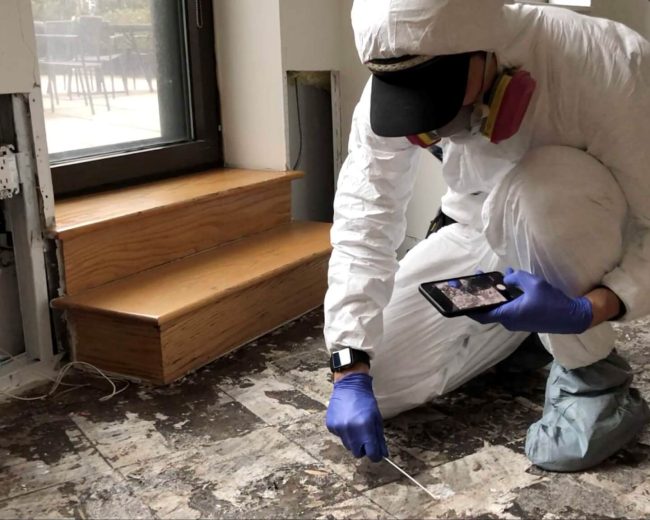
True mold remediation is about more than just cleaning a surface. Professionals use containment barriers, special vacuums, and powerful fans to make sure spores are captured and removed from your home, not just moved around. They also find and fix the hidden moisture leak that you might miss. This is exactly why trying to handle it yourself might seem cheaper at first, but it often leads to the mold coming back, costing you more time, money, and worry in the long run.
Myth #5: Mold Only Grows in Bathrooms and Kitchens
It’s easy to think of mold as a bathroom problem, but that’s one of the most common mold myths. The truth is, mold doesn’t care what room it’s in. It just needs moisture, and that can happen anywhere in your house. If you’ve ever had a leaky window, a damp basement, or even a closet on an outside wall, you’ve created a perfect home for mold.
Think about all the places in your house that might be a little damp. These are the spots where mold loves to start growing without you ever noticing.
- Basements and crawl spaces: These areas are often cool and humid, especially if there’s a little water seepage.
- Laundry rooms: A leaking washing machine hose or a dryer that isn’t vented outside creates a lot of moisture.
- Attics: Poor ventilation can trap hot, moist air, leading to condensation on the wood.
- Window sills: Condensation from windows, especially in winter, can soak into the wood and drywall.
- Air ducts: If dust and moisture mix inside your vents, it can become a hidden highway for mold spores to travel throughout your entire house.
The best way to fight mold is to keep your home dry. Use a dehumidifier in damp areas like basements, fix any leaks as soon as you find them, and make sure your home has good airflow. Simple habits like running your bathroom fan during a shower and checking under sinks for leaks can make a huge difference in keeping your whole home mold-free.
Bonus Section — Is Mildew Dangerous?

You’ve probably seen a patch of gray or white powdery stuff on a shower curtain or a damp windowsill and wondered, “is mildew dangerous?” It’s a great question, especially after learning all about mold. The simple answer is that while mildew, which is a surface-level fungus, is generally less aggressive than the deeper-penetrating mold we’ve discussed, it’s still a sign of a problem you shouldn’t ignore.
Think of mildew as mold’s less destructive cousin. It sits on the surface and is usually easier to wipe away. However, for people with allergies or asthma, it can still cause sneezing, coughing, or itchy eyes. More importantly, its presence is a clear warning that your home has excess moisture. If you let that moisture problem continue, that surface-level mildew can easily pave the way for a more serious mold infestation to take root.
Don’t Let Mold Myths Put Your Home at Risk
We have walked through the top five mold myths, from the dangers of hidden growth and bleach to the truth about black mold and DIY risks. The most important takeaway is that mold is a moisture problem that needs a smart, complete solution, not a quick fix. Believing in these common misconceptions can leave your home and health vulnerable.
If you are now wondering about that musty smell or a suspicious spot in your own home, you do not have to figure it out alone. At Rock Bottom Recovery & Restoration, our professional Mold Remediation Services are designed to find the source, remove the mold safely, and help ensure it does not come back. Give us a call at 331-256-1728 or visit our service page at https://rockbottomrestoration.com/mold-remediation-services/ to learn how we can help you protect your home for good.
FAQs About Mold Myths and Remediation
The biggest myth about mold is that bleach can kill it. Bleach only removes the surface color and can actually feed the hidden roots, allowing the problem to return and spread.
No, this is a common misconception. While black mold (Stachybotrys) is well known, other common types like Aspergillus and Penicillium can also cause significant health issues and property damage.
Attempting DIY mold removal is risky. Without professional-grade containment and air filtration, you can accidentally spread spores throughout your house, turning a small issue into a major infestation.
Professionals detect hidden mold by looking for moisture with specialized meters, testing the air for spores, and investigating areas with a musty smell or a history of water damage.
If the mold remediation process is done correctly, which includes removing all contaminated materials and fixing the underlying moisture source, the mold should not return.