
7 Commercial Construction Mistakes That Can Cost You Thousands
If you have ever sprayed a moldy spot with bleach and considered the job done, you have already fallen for one of the most common myths about mold. Unfortunately for you, bleach does not kill mold for good; it often just bleaches it white, leaving the root of the problem to grow back stronger. This is just one of the many common mold myths that can put your home and health at risk.
Maybe you have found yourself asking a voice assistant, “is black mold the only dangerous kind?” or “can I handle mold cleanup myself?” These are smart questions, and they show just how much confusion is out there. To clear it all up, we are busting the top 5 myths about mold that every homeowner needs to stop believing, starting with the truth about what you cannot see.
Here are 7 commercial construction mistakes that can cost you thousands.
Mistake #1: Skipping the Pre-Construction Planning Phase
You know how they say, “If you fail to plan, you are planning to fail”? Well, in commercial construction, that saying isn’t just a cliché—it’s a financial reality. Rushing into the build without a thorough pre-construction phase is like trying to assemble a complicated piece of furniture without looking at the instructions. You might get there eventually, but you’ll probably have extra pieces left over and a very wobbly result.
This first stage is where you answer all the big questions. What exactly are the principles and practices of commercial construction for a project like yours? It involves a detailed site assessment (is the land even suitable?), checking zoning laws (are you allowed to build what you want here?), creating a realistic timeline, and, most importantly, making sure your commercial construction contract is crystal clear for your new commercial building construction. Skipping this is where many owners first ask, “Why is my construction project going over budget?” When these details are blurred, they lead to change orders, delays, and costly fixes mid-construction.
Your Actionable Planning Checklist:
- Get a professional topographical survey and soil test done.
- Verify all local zoning and permit requirements.
- Develop detailed drawings and a project scope everyone agrees on.
- Work with your team to create a phased timeline and a communication plan.
Getting this foundation right is what sets the stage for everything that follows, especially when it comes to nailing down your budget, which leads us directly to our next costly mistake.
Mistake #2: Underestimating Budget and Cost Variables
Alright, so you have a rock-solid plan. But here’s where many business owners get an unexpected surprise. You might look at your plan and think, “Okay, I have a rough idea of the cost,” but the real question you should be asking is, “What’s the true commercial construction cost per square foot for my specific project, and what hidden costs should I watch out for?”
Think of your budget not as a single number, but as a living thing that needs room to grow. Why? Because the price of commercial construction materials can change, you might run into an unexpected issue like bad soil, or a key material might be stuck on a ship somewhere. If your budget is too tight, these normal hiccups become major crises.
This is exactly why it’s so important to work with your team to understand every cost variable before you even start. It’s also the smart time to talk to lenders about commercial real estate construction loans that have a built-in cushion for exactly these kinds of situations.
Your Smart Budgeting Strategy:
- Always include a contingency fund of 10-15% for unforeseen expenses.
- Work with your team to track costs weekly against the forecast.
- Get clarity on material lead times and lock in prices early where possible.
- Ensure your commercial construction loan covers these possible overruns.
Getting your budget right is what turns a stressful build into a smooth journey. And a huge part of creating a realistic budget is partnering with a builder you can trust, which is the very next thing we will explore next.
Mistake #3: Choosing the Wrong Commercial Contractor
You just saw how a good budget needs a built-in safety net. Well, the company you hire is your most important safety net. This might be one of the biggest decisions you make. It’s so tempting to go with the lowest bid, right? But that’s often where people get into trouble. You have to wonder, “How do I find the best commercial construction company near me that I can actually trust?”
The answer isn’t just about price. It’s about partnership. Top commercial construction companies stand out not just by their building skills, but by their communication, transparency, and proven track record. They are the ones who will help you navigate the process you’ve already planned for, like budget variables and material choices. Always, always verify their commercial construction license and insurance. This isn’t just red tape; it’s your proof that they are a legitimate business that operates safely and to a professional standard.
Your Contractor Evaluation Checklist:
- Ask how they communicate, how they handle problems, and request examples of similar commercial construction projects they’ve completed.
- Check their license, insurance, and safety record (often called an EMR rating).
- A reputable builder will be happy to connect you with previous customers who can vouch for their work.
Choosing the right partner makes every other step of this process smoother. And a key part of their job is handling something we haven’t talked about yet, which is the maze of rules and regulations that govern every build.
Mistake #4: Ignoring Permits, Codes, and Regulatory Compliance
Now, you have a great plan, a solid budget, and a builder you trust. So, you’re all set to start building, right? Well, almost. There’s one more step before the real construction begins, which is getting the official thumbs-up from the city. This is all about permits, zoning, and building codes.
It might seem like boring paperwork, but think of it as your project’s seatbelt. It’s there for protection. If you try to skip this step to save a little time, you could be hit with massive fines or even a stop-work order. Imagine having to tear down a finished wall because it doesn’t meet fire code! That’s a surefire way to blow your budget. This is why a key question for your builder should be, “Can you handle all the necessary permits and inspections for our commercial construction project?” A good team will handle this maze for you, making sure every “i” is dotted and every “t” is crossed, so your dream build doesn’t run into any legal roadblocks.
Mistake #5: Poor Jobsite Safety Management
We just talked about following the rules on paper, but what about the rules on the ground? Keeping the worksite safe is just as important, because a messy or dangerous site isn’t just a risk for the workers; it’s a huge risk for your entire project’s timeline and budget.
Think about it: a single accident can stop work completely for an investigation. That means delays, potential lawsuits, and rising insurance costs. A safe site is an efficient site. When everyone follows clear safety protocols, work flows smoothly, and you avoid those costly and heartbreaking interruptions.
Mistake #6: Mismanaging Change Orders
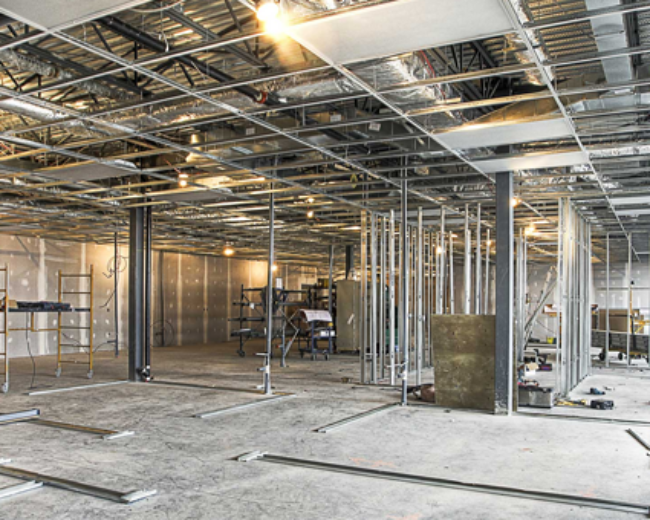
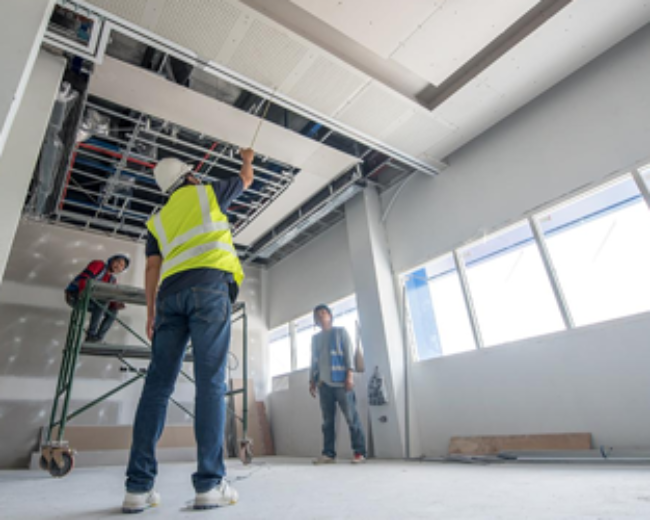
Let’s be honest here. It’s rare for a building project to go from start to finish without a single change. Maybe you decide you want a different type of flooring, or you need to move a wall to fit a new piece of equipment. These changes are normal! The problem isn’t the change itself; it’s how you handle it.
If you just verbally agree to a change without documenting it, you’re inviting confusion and unexpected bills later. A proper change order spells out exactly what’s changing, how much it will cost, and how it will affect your schedule. Without this, a small change can create a domino effect, throwing your entire construction of commercial building off track. Asking your builder, “What does your change order process look like?” at the very beginning makes sure that everyone stays on the same page, saving your budget and your timeline.
Mistake #7: Incomplete Post-Construction Handover
You’ve navigated the build, managed the changes, and you can see the finish line. But one of the most common, and frustrating, mistakes is rushing through the final handover. This isn’t just about getting the keys; it’s about getting the knowledge you need to run your new building.
A proper handover is like getting the owner’s manual for a new car. You receive all the warranties for the materials and equipment, the operation and maintenance (O&M) manuals that explain how everything works, and the “as-built” drawings that show the final blueprint of what was actually built. Without these, a simple issue like a malfunctioning HVAC system can turn into a costly mystery.
A trusted builder will also walk your team through the systems, which is a key part of modern commercial construction trends focused on long-term value. Skipping this step means you own the building, but you don’t truly understand it, which can lead to unnecessary costs down the road.
Final Thoughts
As we’ve seen, the journey of building your commercial space is filled with key moments where the right knowledge makes all the difference. From a detailed plan and a realistic budget to choosing a trustworthy partner and managing changes smoothly, each step you take with care protects your investment.
If you’re looking for a partner who prioritizes this kind of clear communication every step of the way, consider Rock Bottom Recovery & Restoration. Our professional Commercial Construction & Restoration services are designed to bring your project to life with complete transparency, so you’re never left wondering what comes next. Simply give us a call at 331-256-1728 or visit our website to learn more: https://rockbottomrestoration.com/commercial-construction-restoration/
Frequently Asked Questions
Labor and materials are the biggest direct costs, but planning mistakes that cause rework and delays ultimately cost the most.
Watch for red flags like demanding full payment upfront, refusing to put things in writing, or being unable to provide proof of license and insurance.
The key stages are: Planning, Design, Pre-Construction, Procurement, Construction, Inspections, and Final Handover.
Unexpected site problems and frequent changes to the original plan are the most common reasons budgets are exceeded.
A contingency fund (10-15%) protects you from surprise costs, ensuring unexpected issues don't derail your entire project financially.