
7 Signs You Need Mold Remediation Services Immediately
That weird, earthy smell in your basement? You’ve probably noticed it, maybe even tried to cover it up with an air freshener. But what if you were told that smell is your home’s way of crying out for help? It’s one of the clearest signals that you might need professional mold remediation services.
Think of mold spores like tiny, invisible seeds. All they need is a bit of moisture from a hidden leak or a damp crawlspace to start growing into a full-blown problem. And they work fast—we’re talking a full-scale invasion in just 24 to 48 hours. This isn’t just about a nasty smell; it’s about the air your family breathes and the very structure of your house.
If you’re wondering, “what are the real signs that I need to call in mold remediation experts instead of trying to handle it myself?”, you’re in the right place. We’re going to walk through the seven biggest 7 signs you need mold remediation services immediately, and by the time we get to sign number three, you’ll know exactly what to look for.
At-a-Glance Checklist: Is It Time to Call a Pro?
Before we dive into the details, here’s a quick scan of the seven major red flags. If any of these sound familiar, it’s a strong indication that your home mold remediation project is beyond a simple DIY fix.
- A persistent musty odor that won’t go away.
- Visible mold growth (black, green, white, or other colors).
- Any history of water damage, leaks, or flooding.
- Health symptoms like allergies or coughing that seem worse at home.
- Peeling paint or warping walls and floors.
- Unexplained stains or discoloration on surfaces.
- Mold that keeps coming back after you’ve cleaned it.
Spotting one or more of these signs means it’s time to pay close attention. The following sections will break down exactly why each one is a call to action, starting with that mysterious smell we mentioned earlier.
What Is Mold Remediation?
Many people hear “mold cleanup” and picture scrubbing a surface with bleach. But true mold remediation is a completely different process. Understanding these mold remediation basics is key to seeing why a professional approach is so important.
So, what is it? In simple terms, mold remediation is a full-scale process focused on three things: removing the existing mold colony, addressing the moisture source that allowed it to grow, and restoring healthy air quality. It’s not just wiping away what you can see; it’s about dealing with what you can’t see, like the microscopic spores floating in the air. This is where specialized mold remediation technique and advanced mold remediation equipment come into play.
This approach is what makes sure the problem is solved for good, preventing it from popping up again next to that old leaky pipe or in your damp basement corner.
The 7 Signs You Need Mold Remediation Services Immediately
Sign #1: That Persistent, Musty Odor
You know that smell we talked about in the introduction? It’s often the very first clue. If your home has a damp, earthy scent that seems to cling to the air no matter how much you clean or air it out, you’re likely dealing with what experts call Microbial Volatile Organic Compounds (MVOCs). These are gasses released by active, growing mold.
What You’ll Notice: A smell that’s especially strong in certain areas like the basement, a closet, or near a water heater. It’s the kind of odor that makes people ask, “what’s that smell in your house?”
Why It’s a Red Flag: This smell means mold is active and is often thriving out of sight—behind drywall, under flooring, or above ceiling tiles. It’s a clear signal that the problem is more than just surface-level.
What to Do: Don’t just mask it. This odor is a direct invitation for a certified mold inspection & remediation services team to use their tools to find the hidden source.
Sign #2: Visible Mold Growth (Black, Green, White, or Strange Colors)
If that mysterious smell is joined by strange spots on your walls, it’s time to look closer. Visible patches are an undeniable signal. It’s important to understand that mold isn’t always black. You might see green speckles on a damp windowsill, a fuzzy white growth on a basement beam, or even pink slime in a shower grout line. This last one, often requiring specific white mold remediation knowledge, can be particularly confusing because it doesn’t look “toxic.”
What You’ll Notice: Discolored patches that can be black, green, white, gray, or even orange. They may look fuzzy, slimy, or powdery.
Why It’s a Red Flag: A small visible patch is often just the “tip of the iceberg.” Like a weed, what you see on the surface is supported by a larger root system (called hyphae) spreading inside the material. This is why surface cleaning alone fails.
What to Do: Resist the urge to scrub it with bleach, as this can release more spores. The presence of any visible mold, especially if it’s larger than a small patch, means it’s time to call a professional for an assessment.
Sign #3: Recent Water Damage or Ongoing Moisture Problems
Often, the reason for that visible growth or musty smell from our previous signs traces back to water. Whether it’s a past flood that was poorly dried, a slow pipe leak inside a wall, or chronic condensation in an attic, moisture is mold’s best friend. This is where the need for professional crawl space mold remediation or mold remediation in attic often becomes apparent, as these are common trouble spots homeowners don’t frequently check.
What You’ll Notice: You might see water stains on ceilings or walls, feel dampness on floors, or notice that your windows are constantly foggy. Even if a leak was “fixed,” the moisture left behind can be enough to start a problem.
Why It’s a Red Flag: Mold growth can begin within 24-48 hours of water exposure. If an area stays wet for even a short time, it’s likely a breeding ground. Left unchecked, ignoring mold remediation leads to more significant damage and health concerns down the line.
What to Do: Any past or present water issue should be investigated thoroughly. Professionals use moisture meters to find hidden dampness that the naked eye can’t see, ensuring the root cause is solved.
Sign #4: Worsening Allergies, Breathing Issues, or Unusual Health Symptoms Indoors
This is where things get personal. Have you or your family members started sneezing more, dealing with a stubborn cough, or waking up with itchy eyes for no reason? And do these symptoms seem to get better when you leave the house for a few hours? If you find yourself searching “why do I feel sick in my own house?”, hidden mold could be the unwanted guest causing the trouble.
What You’ll Notice: Unexplained allergy-like symptoms, including sneezing, runny nose, skin rashes, or headaches, that are noticeably worse indoors. It often affects more than one person in the household.
Why It’s a Red Flag: Mold releases spores and microscopic particles into the air. When you breathe them in, your body can react as if it’s under attack, triggering those allergic reactions. It’s your body’s way of saying the air isn’t clean.
What to Do: Pay close attention to when and where the symptoms show up. If your home is the common place, it’s a strong sign that you need an expert to check your indoor air quality and look for a hidden mold source.
Sign #5: Bubbling Paint, Peeling Wallpaper, Warped Floors, or Soft Drywall
Sometimes, your house literally starts to change shape, and it’s not just an old-home quirk. If your paint is bubbling, your wallpaper is peeling for no reason, or a section of the floor feels soft and spongy underfoot, don’t just blame the humidity. These are cries for help from your building materials, often screaming about the moisture we discussed earlier.
What You’ll Notice: Bubbling paint, peeling wallpaper, warped wooden floors, or drywall that feels soft to the touch.
Why It’s a Red Flag: This warping means water has seeped deep into the materials, creating a perfect, hidden buffet for mold to feast on from the inside out. By the time you see the damage on the surface, the problem within is often well-established.
What to Do: This isn’t a simple painting or flooring job. Fixing the cosmetic issue alone is like putting a bandage on a deep infection. You need to address the moisture and the likely mold growth within the structure itself to get rid of mold permanently.
Sign #6: Discoloration or Stains on Ceilings, Walls, or Baseboards
Beyond visible mold patches, keep an eye out for unexplained stains. Yellowish rings on the ceiling, dark streaks down a wall, or a general discoloration that wasn’t there before are all silent memos from your home about a moisture issue. This is especially common in attics after a roof leak, which is a primary reason people need mold remediation in attic spaces.
What You’ll Notice: Stains or discoloration that don’t wash off. They often appear on ceilings under roofs or on walls next to plumbing.
Why It’s a Red Flag: These stains are a history book of water intrusion. Even if the area seems dry now, the moisture that caused the stain has likely already created an environment where mold can live inside the cavity.
What to Do: Investigate the source of the water that caused the stain. Because the mold may be growing inside the wall or ceiling, a professional inspection is the safest way to know what you’re dealing with.
Sign #7: DIY Cleaning Isn’t Working (Mold Comes Back)
This might be the most irritating sign of all. You spot some mold, grab a cleaner, and scrub it away, only to find it reappears in the same spot a week or two later. If you’re stuck in this cycle, you’re probably asking, “does mold remediation work for good?” The answer is yes, when it’s done correctly. The fact it’s returning is proof that a surface clean isn’t enough.
What You’ll Notice: A recurring mold problem in the exact same area, no matter how often you clean it.
Why It’s a Red Flag: The visible mold is just the fruit of a deeply rooted fungus. Bleach and household cleaners only remove the surface color, not the root system (hyphae) within the material. The moisture source also hasn’t been fixed.
What to Do: Stop the DIY cycle. This is the clearest signal that you need to think of hiring mold remediation experts. They have the tools and knowledge to remove the roots and the moisture, ensuring it doesn’t come back.
What Happens During Home Mold Remediation?
So, you’ve spotted the signs and decided to call in the pros. But what actually happens next? Understanding the standard mold remediation protocols can ease a lot of anxiety. It’s a process designed for one thing, that is to make your home safe and healthy again.
First, experts follow strict mold remediation protocols to ensure every spore is taken care of. This isn’t a quick cleanup; it’s a controlled, step-by-step process.
A common question homeowners have is, “how long does mold remediation take?” The truth is, it depends on the levels of mold infestation. A smaller, contained issue might be wrapped up in one to three days. A larger problem, like widespread damage from a major leak, could take a week or more.
Here’s a breakdown of the typical steps:
- Inspection & Assessment: This is where pros determine the levels of mold and the full extent of the problem, even in hidden cavities.
- Containment: They seal off the affected area with physical barriers and use negative air machines to prevent spores from spreading to the rest of your home during the cleanup.
- Filtration: High-powered HEPA air scrubbers run continuously to capture microscopic mold spores from the air, cleaning the air you breathe.
- Removal & Cleaning: Every contaminated material is either safely removed or deep-cleaned with antimicrobial treatments.
- Drying: Industrial-grade dehumidifiers and air movers are used to eliminate all remaining moisture, tackling the root cause.
- Final Verification: The area is tested to ensure the mold levels are back to a normal, safe standard and the job is complete.
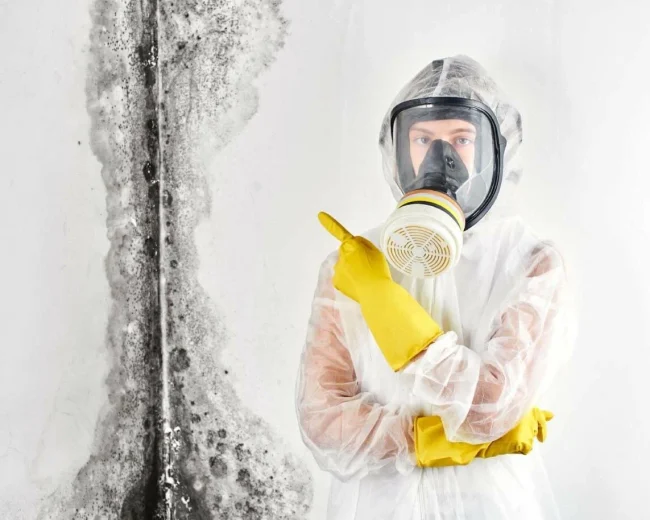

Get Rid of Mold For Good
Identifying these seven signs is the first step toward reclaiming your home’s health and safety. Each sign, whether a water stain, a warped floor, or unexplained allergies, points to the same truth that mold is a deep-rooted issue that needs a professional solution.
When you’re ready to move from spotting the problem to solving it for good, the team at Rock Bottom Recovery & Restoration is here to help. Our professional Mold Remediation Services are designed to not just clean the surface, but to eliminate the mold at its source, ensuring it doesn’t come back so you and your family can enjoy a healthier, safer home. For a thorough assessment and lasting solution, give us a call at 331-256-1728 or visit https://rockbottomrestoration.com/mold-remediation-services/ to learn more about how we can help you breathe easier.