
A Homeowner’s Guide to Safe and Effective Water Damage Cleanup
Imagine waking up to a soaked carpet or hearing the unmistakable drip that tells you something has gone very wrong. When that happens, the last thing you want is confusion about what to do next because water damage cleanup needs quick action before small problems turn into expensive ones.
If you have ever asked things like “how do I fix this fast” or “who can help me before things get worse” you are not alone. Water can spread fast and create mold or weaken parts of your home before you even notice it happening.
Whether you are dealing with a sudden leak or a full blown emergency, understanding what to do first can save you money and stress which is exactly why many homeowners search for 24 7 emergency water damage cleanup when panic hits.
What Causes Water Damage?
Ever walked into a room and thought, “Huh, that smells a bit… damp?” Or maybe you’ve noticed a mysterious squishiness in your floorboard? Water doesn’t always announce itself with a flood; sometimes it’s a quiet, slow-motion problem.
Knowing the common culprits and the subtle signs of water damage is your first line of defense. It’s like knowing the difference between your car making a normal noise and a “you need to pull over right now” noise. Catching these clues early is one of the most valuable water damage cleanup tips we can give you, as it can save you a world of trouble (and money) down the line.
Common Causes of Water Damage in Homes
Houses, just like anything else, have their weak spots. The most common villains we see are:
- Burst Pipes: Over time, pipes can corrode, freeze, or just get tired and decide to burst.
- Appliance Failures: Your water heater, washing machine, or dishwasher can spring a leak, often when you least expect it.
- Roof Leaks: Missing shingles or cracked flashing can let rainwater sneak right into your attic.
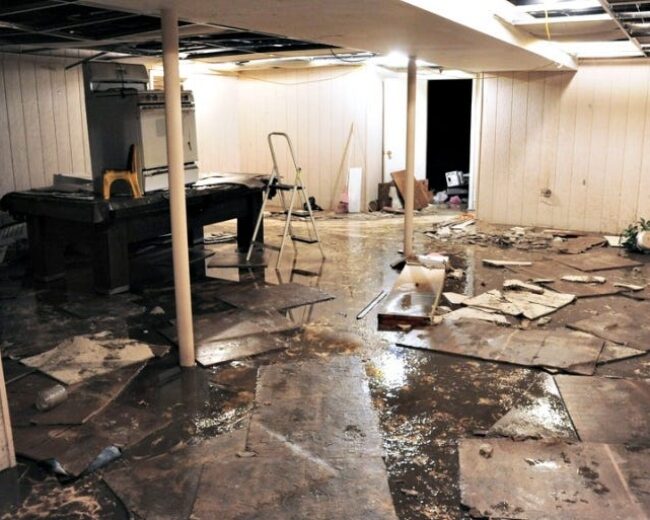
- Basement Flooding: Groundwater can push its way through foundation cracks, turning your basement into a wading pool.
- Sewage Backup: This is the worst-case scenario, often caused by blockages in the main sewer line.
Signs of Water Damage You Should Never Ignore
So, how can you tell if you have a hidden water issue? Keep an eye (and nose) out for these red flags:
- That Funky Smell: A persistent musty odor is often your first clue that mold is starting to grow somewhere out of sight.
- Stains and Discoloration: Yellow or brownish patches on your ceiling or walls are like a history book of past leaks.
- Bubbling or Peeling Paint: When drywall gets wet, the paint loses its grip.
- Warped Floors or Cupping Hardwood: Wood and water are not friends. If your floors are no longer flat, moisture is the likely culprit.
- A Surprise Spike in Your Water Bill: If your usage hasn’t changed but your bill has, you might have a silent leak.
Spotting these issues early is what separates a simple fix from a major project. And as you’ll see next, knowing what you’re dealing with is the first step in staying safe before you start to cleanup water damage.
Safety First: What to Do Before Cleanup
Alright, so you’ve spotted the signs. Maybe you’ve found that leaky pipe under the sink or you’re staring at a puddle from a burst appliance. Your first thought might be to grab a ton of towels and start mopping, but hold on just a second.
Before you do anything else, your number one job is to make sure everyone is safe. This part isn’t as exciting as fixing water damage, but it’s the most important. Think of it like putting on your own oxygen mask first on an airplane. A quick, safe response now sets the stage for a much smoother water damage restoration process later.
Your Safety Checklist
Here’s a simple list of what to do, and just as importantly, what not to do:
- Shut Off the Power: If there’s any standing water near electrical outlets, appliances, or your basement floor, go to your circuit breaker and turn off the electricity to that area. Water and electricity are a deadly mix.
- Stop the Water Source: If you can do it safely, find the source of the water and stop it. Turn off the main water valve to your house for a burst pipe, or the individual valve behind a leaking toilet.
- Protect Yourself: If the water might be contaminated (think sewage or storm runoff), wear rubber gloves, boots, and a mask. You don’t know what’s in that water.
- Get Out if Needed: If you see sagging ceilings, bulging walls, or the water is deep and you’ve had to turn off the power, it’s safest to evacuate and call for professional help.
- What not to do is just as crucial: Don’t wade into standing water if the power is still on. Don’t use your household vacuum to try to suck up water. And don’t take risks with contaminated water—your health isn’t worth it.
Getting this first response right is what allows the next phase, the actual water extraction, to happen safely and effectively.
Step-by-Step Water Damage Cleanup Process
Now that everyone is safe and the water is off, it’s time to roll up our sleeves. This is where the real work begins. Following a clear, industry-approved process is the key to getting your home back to normal and preventing bigger problems later. Think of these water damage remediation steps as your roadmap through this messy situation.
Step 1: Stop the Water and Secure the Area
You’ve already taken the most critical part of this step by shutting off the main water valve. Now, do a quick secondary check. Is water still dripping from an appliance? Is it still seeping in from a storm? If so, use buckets and tarps as a temporary fix. This action is the heart of water mitigation services, and it’s all about preventing more damage from happening.
Step 2: Document Everything for Insurance
Before you move a single soaked item, grab your phone. This step is boring but it will save you so much stress later. Take photos and videos of everything: the water level, damaged belongings, and the source of the leak. This isn’t just for memories; it’s crucial evidence for your insurance company when discussing the potential water damage cleanup cost.
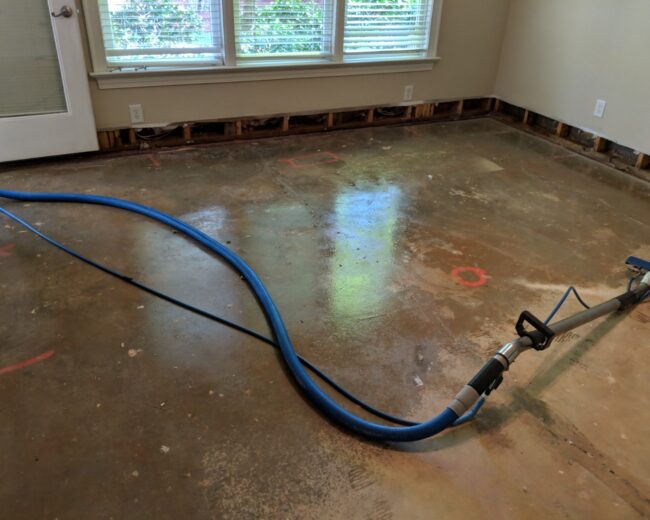
Step 3: Water Extraction — Remove Standing Water
This is where water extraction comes in. The goal is simple: get rid of all the standing water, and fast. For small amounts, a wet-dry shop vac or even towels and mops can work. For larger floods, this is when you’d typically call in a pro with industrial-grade pumps. The faster you remove the water, the less chance you’ll have to deal with mold after water damage, which we’ll talk more about soon.
Step 4: Drying & Dehumidification
Just because the standing water is gone doesn’t mean the job is done. Moisture hides in walls, under floors, and in the air. Now, you need to become a drying expert. Use fans, open windows (if it’s dry outside), and most importantly, run dehumidifiers. This drying phase can take several days, but don’t rush it. Proper drying is what makes the difference between a successful cleanup and a moldy do-over.
Step 5: Cleaning, Sanitizing, and Disinfecting
Water, especially if it wasn’t clean to begin with, leaves behind bacteria and germs. Once everything is dry, you need to give all affected surfaces a good scrub with a disinfectant. This step makes your home safe again and tackles any musty odors that have started to form.
Step 6: Remove Water-Damaged Materials
This is the tough part. Some materials, like saturated drywall and insulation, are like sponges. They can’t be properly cleaned and dried, so they have to be removed and thrown out. It might feel wasteful, but removing these damaged materials is non-negotiable for a healthy home.
Step 7: Repairs & Full Water Damage Restoration
Finally, we get to the light at the end of the tunnel. This last stage is all about repairing water damage; replacing drywall, reinstalling flooring, and repainting. This is the part where your home starts to look and feel like home again.
Mold After Water Damage: What You Need to Know
We’ve mentioned mold a couple of times already, and that’s because it’s enemy number one after a water leak. You might be asking, “How soon does mold actually become a problem after a water leak?” The answer is, frustratingly fast. Mold spores can start growing within 24 to 48 hours in a damp environment.
This is why speedy water extraction and thorough drying we just talked about are so critical.
Why You Can’t Ignore Mold
That fuzzy or slimy patch isn’t just ugly. It can cause real health issues like allergies, asthma attacks, and other respiratory problems. On top of that, it can literally eat away at your home’s structure, your drywall, wood, and insulation.
When to Call in the Experts
If you see more than a small, isolated patch of mold (think less than a 3×3 foot area), or if you can smell mold but can’t find the source, it’s time to stop the DIY approach. Disturbing large areas of mold can send spores throughout your house, making the problem much worse. This is a clear sign you need a professional quality water damage cleanup service that knows how to safely contain and remove it.
Understanding Water Damage Cleanup Costs
Let’s talk about the question that’s probably been on your mind since that first puddle appeared: “What is this going to cost me?” It’s a fair question. The final bill for water damage cleanup costs can feel like a mystery, but it doesn’t have to be. Think of it this way: the price depends on the same factors we’ve already walked through, including the size of the affected area, the water category, and how quickly you acted.
What Influences the Final Price?
A small, clean water leak that you caught early will be on the very low end. But if you’re dealing with a flooded basement with contaminated water that’s been sitting for days, the cost for water damage cleanup will be higher because it requires more labor, advanced equipment, and material removal.
The biggest factors that increase the price are:
- Mold Remediation: As we just discussed, fixing a mold problem adds significant work.
- Contaminated Water: Cleaning up “black water” from sewage requires heavy-duty safety and disposal protocols.
- Structural Repairs: The more walls, floors, or ceilings that need replacing, the higher the cost.
- Delayed Response: The longer water sits, the more damage it causes, which drives up the price.
Conclusion
From that first moment of panic to the final repair, tackling water damage is all about quick, informed action. Remember, your safety comes first, then stopping the source, and acting fast to dry everything out completely. By following these steps, you protect your home from long-term issues like mold and structural damage, turning a stressful situation into a manageable one.
If the process feels overwhelming, remember that you don’t have to handle it alone. Our team at Rock Bottom Recovery & Restoration provides professional Water Damage Cleanup Services designed to thoroughly remove all moisture and get your home back to a safe, dry, and healthy state. For a trusted water damage cleanup company you can count on, give us a call at 331-256-1728 or visit https://rockbottomrestoration.com/water-damage-cleanup/ to learn more about how we can help.