
Fire and Smoke Cleanup for Microwave Flare-Up Damage
You heat up some leftovers, set the timer, and walk away. Minutes later, that scent hits you. Not dinner, but smoke. We’ve all been there, and the microwave fire cleanup panic is real. Suddenly, you’re not just dealing with a ruined meal, but a kitchen filled with haze and that stubborn, acrid smell.
If you’re wondering “what to do after a microwave flare-up” or “how to get rid of this awful smoke smell for good,” you’ve found your guide. This isn’t about panic; it’s about your clear, step-by-step plan. We’ll walk through everything from that first moment of “oh no” to the final wipe-down, making sure you handle the smoke and soot cleanup effectively and, most importantly, safely.
Because let’s be honest: the real goal here is complete smoke odor removal after fire. That feeling of walking into your kitchen and it just smelling clean again. No reminders of the burnt popcorn incident of 2023. We’ll cover how to clean your appliance, your kitchen, and when to call in the pros, so you can get back to using your microwave without a second thought.
Immediate Steps After a Microwave Flare-Up
Alright, the smoke is clearing (literally and mentally). Your first moves now are important for safety and will make the rest of the smoke and soot cleanup far easier. So, what to do after a microwave flare-up? Let’s break it down into a simple action plan you can follow even if you’re still a bit rattled.
- Turn Off and Unplug Immediately: Your first instinct should be to stop the power. Hit the cancel/stop button, then pull the plug from the wall. This eliminates any electrical risk and is the most important step before you even think about opening the door.
- Ensure the Fire is Out: Do not open the microwave door right away if you see flames. Without oxygen, a small fire may suffocate itself. Look through the window. If you see no active flames after a minute, carefully open the door to confirm it’s fully extinguished.
- Ventilate the Area Aggressively: Smoke needs an exit. Open all nearby windows and doors. Turn on the kitchen exhaust fan on high, and if you have portable fans, use them to create a cross-breeze blowing the smoky air outside.
- Clear the Area: That lingering smoke is an irritant. If you have young children, pets, or anyone with asthma or allergies, it’s a good idea to have them move to another room with fresh air until the smoke clears.
- Do a Quick Safety Check: Before you start cleaning, give the microwave a careful look. Does anything look melted, warped, or charred inside? If the damage looks severe, hold off on using it.
We’ll help you figure out “can a microwave be restored after a fire?” in the very next section. For truly overwhelming situations, know that professional smoke damage cleaning services near me are an option for a full fire and smoke damage restoration.
Assessing the Damage: To Clean or To Replace?
Now that the immediate danger has passed, it’s time for a careful look. The big question now is, can a microwave be restored after a fire, or is it time for a new one? This quick assessment will save you hours of cleaning effort on a lost cause and ensure your kitchen is safe.
First, unplug the appliance (it should still be unplugged from our last step) and inspect the interior. Look for:
- Melted plastic or a warped interior lining.
- Burnt or charred wiring around the turntable motor or light.
- A damaged control panel that smells burnt or has visible scorch marks.
If you see any of this, especially electrical damage, replacement is the safest choice. A damaged microwave is a fire hazard. If the interior is just stained and sooty but structurally intact, no melting, warping, or exposed wires, then a thorough clean microwave after fire is likely possible. Also, quickly check nearby items. Any food, plastic containers, or porous wooden spoons that absorb heavy smoke may need to go in the bin; we have a specific guide on what to throw away after smoke damage comes up.
Cleaning the Microwave
Cleaning the Microwave
Alright, so your microwave passed the inspection—great! Now, let’s roll up our sleeves and get it back to sparkling. Think of this not as a chore, but as a refreshing reset for your kitchen’s hardest worker. This is your complete guide to a clean microwave after a fire.
Step 1: Remove burnt food and debris
First things first, let’s get the big stuff out of the way. Put on some rubber gloves and carefully take out the glass turntable (it usually lifts right out). Use a plastic utensil or spatula to gently scrape any obvious, chunky bits of burnt food into the trash. This is the easiest win and makes the deep clean so much simpler.
Step 2: Steam cleaning with vinegar and lemon
Here’s a classic trick that really works wonders for microwave fire cleanup. Grab a microwave-safe bowl, a glass measuring cup works perfectly. Fill it with a cup of water, half a cup of white vinegar, and a few slices of lemon. Pop it in, run the microwave for about 5 minutes until it’s nice and steamy, and then just… leave it. Keep the door closed and let that hot, acidic steam hang out for a good 10-15 minutes. This softens all the baked-on gunk and starts tackling the smell at its source.
Step 3: Wipe down with dish soap and water
Once everything’s had time to loosen up, carefully take the hot bowl out. Now, with a soft cloth or sponge dipped in warm, soapy water, give the entire inside a good wipe. You’ll be amazed at how easily that soot and grease wipes away now. Don’t forget the ceiling and the rubber seal around the door!
Step 4: Dry thoroughly
This might seem minor, but it’s not. Grab a clean, dry dish towel and thoroughly dry every surface inside. Any leftover moisture can lead to new, unpleasant smells, and we’re trying to get rid of smells, not start new ones!
Step 5: Deodorize with baking soda or activated charcoal
If a faint smoky scent is still hanging around, it’s time for the silent absorbers. Place an open box of baking soda or a small bowl of activated charcoal inside your dry microwave, close the door, and leave it for a day or two. These are fantastic, natural smoke damage cleaning products that will pull the last of the odor molecules right out of the air. If it’s still there after that, just repeat the steam step, some smells are just stubborn.
Cleaning the Kitchen After Smoke Damage
Great job on the microwave! But as you’ve probably noticed, that smoke didn’t just stay in one place. It has a way of coating everything. Cleaning the rest of the kitchen is how you achieve that total freshness. These steps to clean a kitchen after smoke damage will ensure no corner holds onto that memory.
Wipe Everything Down
Smoke leaves a fine, oily film. Mix a gentle all-purpose cleaner with warm water and wipe down all countertops, cabinet fronts (don’t forget the handles!), your stovetop, and even the outside of your oven and refrigerator. For greasy film, a mix of vinegar and water works wonders. This removes the main layer of smoke and soot.
Don’t Forget the Dishes and Fabrics
If your dish rack or open cabinets were exposed, give those plates, glasses, and utensils a quick re-wash. The same goes for any kitchen towels, cloth napkins, or even curtains near the microwave. Toss them in the laundry—the wash cycle will handle what wiping can’t.
Floors, Walls, and Tricky Spots
Sweep and then mop your floors to capture settled particles. For walls and ceilings near the microwave, a damp mop or microfiber cloth wiped gently over the surface can lift away soot without damaging paint. Good soot removal tips include always using a clean section of your cloth and changing the cleaning water often to avoid just spreading the grime around.
Air it Out, Again
While you clean, keep those windows open and fans running. You’re stirring up particles, so continuous ventilation is key to pushing the last of the contaminated air out and bringing fresh air in.
Now, you might be looking at a particularly porous item, like a wooden cutting board or a favorite cookbook that smells strongly of smoke, and wondering about its fate. This leads us perfectly into a very common question: what to throw away after smoke damage versus what you can save?
Here’s a simple rule of thumb: If it’s porous and stinks after airing out, it’s probably a loss. If it’s non-porous and you can wash the smell off, it can likely be saved.
Let’s break that down:
You Can Usually Save:
- Glass, Metal, and Ceramic: Plates, mugs, pots, and pans. If a good wash with hot, soapy water eliminates the smell, they’re fine.
- Sealed Hard Surfaces: Laminate counters, appliance exteriors, glass cabinet doors. A thorough wipe-down with an appropriate cleaner should do the trick.
- Some Plastics: Dense, food-safe plastic containers (like Tupperware) can often be saved by washing and then leaving them outside in fresh air for a day. If the smell is baked in, though, it’s time to recycle them.
You Should Consider Throwing Away:
- Open Food Packages: Spices, flour, sugar, cereal, coffee—if the package wasn’t sealed, the smoke has contaminated it.
- Porous Kitchen Items: Wooden spoons, cutting boards, or paper products that have absorbed the oily smoke smell.
- Certain Plastics: Thin plastic containers (like margarine tubs) or plastic utensils often absorb odors permanently.
- Medications or Vitamins: If they were stored in the kitchen, the heat and chemical exposure from smoke can alter them. It’s safer to replace them.
This cleanup vs. replace decision is where many DIY efforts hit a wall. If you find yourself looking at a kitchen full of items in the “throw away” category, or if the smell just won’t leave your walls and cabinets, that’s a clear signal. It’s the moment you realize your fire and smoke damage restoration services search might be the smartest move for a complete fire damage restoration.
When to Call Professionals
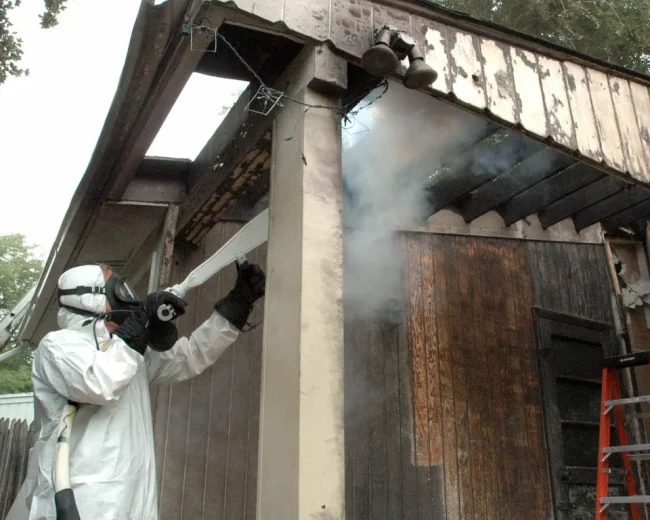
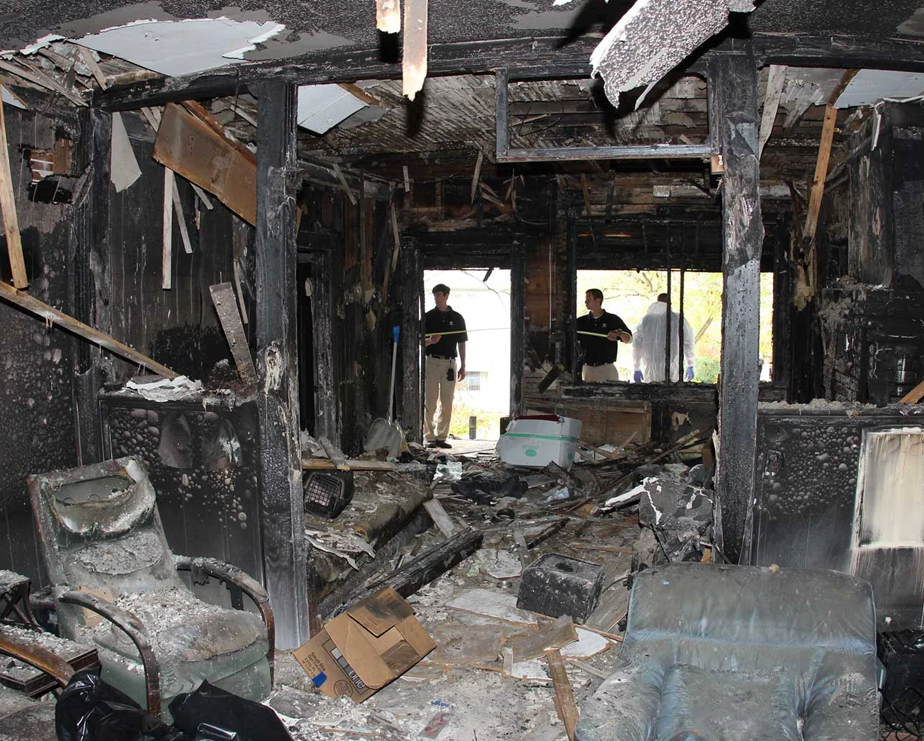
You’ve scrubbed and aired out everything you can think of, but what if that stubborn campfire smell is still hanging around your kitchen? It happens. Sometimes, the job is just bigger than our bucket of soapy water. Knowing when to call for backup isn’t about giving up, it’s about being smart.
Think about making that call for fire and smoke damage restoration company when:
- The Smell Has Officially Moved In. You’ve followed all the steps, but a week later, you walk in and it still smells like the incident just happened. That’s a sign the smoke particles have buried themselves deep in places you can’t reach, like inside your walls or air vents.
- You Can See a Fine Black Film Everywhere. Not just near the microwave, but on walls in the next room, on your curtains, and on furniture. That widespread smoke and soot cleaning job is a huge undertaking and a clear signal for professional house fire clean up help.
- There’s Water Damage, Too. If the fire department came, water from their hoses can cause warping and mold, which needs special equipment to dry out properly.
- You’re Short on Time or Peace of Mind. Maybe you have a little one with asthma, or you just don’t have a free weekend to dedicate to scrubbing ceilings. The pros have tools like industrial air scrubbers and ozone machines that tackle smells we can’t.
Hiring fire restoration companies might sound like a big step for a small kitchen fire, but their fire clean up services are designed for exactly this. They restore your home completely. Sure, doing it yourself saves on the fire restoration cost, but for total peace of mind and a guarantee that the smell is gone for good, the smoke damage cleaning cost of calling a pro can be worth every penny.
Conclusion
We’ve walked through the whole journey, from that first whiff of smoke to the final wipe-down. Remember, the key is to act fast for safety, assess the damage honestly, and clean thoroughly—not just the microwave, but your entire kitchen.
If that stubborn odor just won’t quit, or the cleanup feels too big to handle alone, that’s where we come in. At Rock Bottom Recovery & Restoration, our professional Fire & Smoke Damage Restoration Services are designed to get rid of that smell for good and restore your peace of mind. Give us a call at 331-256-1728 or visit https://rockbottomrestoration.com/fire-smoke-damage-restoration/ to learn more about how we can help.
FAQs
Scrape out debris, then steam-clean with a bowl of water, vinegar, and lemon. Wipe with soapy water, then deodorize with baking soda inside the closed microwave overnight.
Yes, but only after a safety check. If you see melted plastic, burnt wires, or charred spots, replace it. If it's just stained, a good clean should make it safe.
Wipe all surfaces from top to bottom and wash fabrics. Ventilate well. For heavy soot or lasting smells, professionals are the best solution.
With proper cleaning (steam and baking soda), the smell should be gone in 1-2 days.
Clean the microwave as above. For the house, wash surfaces, air it out, and use odor absorbers like baking soda. Stubborn whole-house smells need pro help.