Fire Damage in Attics: Hidden Risks and Restoration Solutions
Think about the danger left when the last flame of a house fire is put out? Think again. The real threat often hides above your head, in the attic. Fire damage in attic spaces is a serious problem that can put your family’s health and your home’s structure at risk long after you think the trouble is over.
If you are wondering, “How can I tell if my attic has hidden fire damage?” or “What does it really take to make my attic safe again?”, you have found the right guide. We are going to walk you through the hidden risks, the signs you must not ignore, and the professional solutions that truly work.
This blog will cover why attics are so vulnerable, how to spot trouble, and the complete fire damage restoration process that brings peace of mind.
Why Attics Are Vulnerable to Fire Damage
So, why does the attic become such a hotspot for hidden trouble after a fire? It all comes down to basic physics and how we build and use our homes. Think of your attic like your home’s chimney. Heat and smoke naturally rise, making that cramped space above your ceiling the final destination for all the toxic byproducts of a fire.
This creates the perfect place for attic fire hazards. Common culprits that start problems up there include old wiring, overloaded circuits near insulation, or even a spark from a chimney. Once a fire starts, the environment itself makes it worse. Poor ventilation traps heat and smoke, while standard insulation can act like a sponge, soaking up soot and smells. Add in stored boxes, holiday decorations, or old furniture, and you have extra fuel that turns a small incident into a major source of smoke and fire damage.
Understanding these causes of fire damage in attics is the first step. It explains why the damage is often worse up there than in the rooms below, and why a simple surface clean downstairs never solves the whole problem.
Signs of Hidden Fire Damage in Your Attic
Since attics are out of sight, the damage there is often out of mind. You might have cleaned the main living areas, but a toxic secret could be lingering upstairs. So, what are the signs of hidden fire damage in your attic that you should never ignore?
Unlike obvious charring, hidden damage is subtle. It is the evidence left behind by smoke and intense heat that traveled upward. If you are asking yourself, “Could my attic still be damaged?” look for these clues:
- A Lingering Smell: This is the biggest giveaway. If you notice a smoky odor returning, especially on hot days or when the HVAC kicks on, it is a signal that smoke residues are still active in your attic.
- Discoloration and Stains: Check the underside of your roof decking, attic rafters, and even the backside of your drywall ceiling. Look for yellowish-brown stains, black speckling, or a greasy film. This is smoke residue that has permanently stuck to surfaces.
- Warped or Stained Insulation: Your insulation took the brunt of the heat and smoke. If it appears matted, discolored (often yellow or black), or has a brittle texture, it is damaged and needs professional attention.
- Damaged Wiring: Heat can melt the protective coating on electrical wires running through the attic. Look for cracking, blistering, or any signs of melting on wire jackets. This is a serious attic fire hazard that demands immediate action.
Spotting any of these signs means it is time for a professional inspection past fire damage in the attic. This is not a DIY lookup with a flashlight. A proper inspection is the crucial next step to uncovering the full scope of what you are dealing with, which we will detail next.
Health and Safety Risks of Fire-Damaged Attics
Those warning signs we just talked about? They are not just cosmetic issues. They are direct evidence of risks that can affect your family’s health and your home’s stability.
Let us break down the two main categories of danger:
1. Health Hazards
The smoke and fire damage in your attic is not inert dust. It is a cocktail of acidic soot, toxic chemicals, and fine particles. Every time your home’s temperature changes or your air conditioner runs, it can pull these contaminants into your living space. This leads to allergies, respiratory issues, and constant exposure to irritants. This is why true smoke damage repair focuses on the source, not just masking odors downstairs.
2. Structural Damage
A fire damaged attic suffers unseen weakening. The same acidic residues that irritate lungs also corrode metal truss plates, electrical conduits, and wiring, which can lead to future electrical failures or even a new fire. Wooden beams and rafters, weakened by heat, may lose their strength. Compromised insulation no longer protects your home from temperature extremes, which spikes your energy bills.
This is precisely why a DIY cleanup attempt is so dangerous. Going up there with a store bought cleaner and a vacuum disturbs these toxic particles, sending a cloud of them throughout your home without actually removing the source. You are also not equipped to assess structural integrity. Without the right safety gear and methods, you are risking your health while likely making the problem worse.
Fire Damage Assessment and Inspection Process
So, how do professionals figure out the full story that your attic is hiding? They do not guess; they perform a detailed fire damage assessment. This process is the blueprint for your entire fire damage recovery, which is designed to find every trace of damage.
Think of it like a doctor’s examination for your home. After discussing the “symptoms” (those signs we mentioned), the expert conducts several key tests:
- Visual and Tactical Inspection: A certified technician will always carefully examine every inch of your attic, checking for staining, warping, and corrosion on surfaces you can see and touch.
- Air Quality Testing: They will take air samples to measure the concentration of harmful particles and gases. This answers the question, “Is the air in my home truly safe to breathe?”
- Thermal Imaging: Using a special camera, they can detect temperature changes and moisture behind walls and in insulation, revealing hidden pockets of contamination or water damage from firefighting efforts that you would never see with your eyes.
- Structural Evaluation: This is a critical check of the attic’s “bones.” They assess the integrity of wooden beams, roof decking, and electrical systems to determine what is still strong and what may need repair.
The goal of this comprehensive inspection is to create a complete map of the problem. It tells us not just what to clean, but how to clean it, what needs to be replaced, and what can be saved. This map directly leads to the next, most important phase: the actual fire damage restoration process.
Fire Damage Restoration Process for Attics
Now, let us walk through what truly professional fire damage restoration looks like. This is how to restore an attic after a fire completely and safely. It is a multi-step process where each phase builds on the last, all stemming from that first assessment.
- Containment and Safety First: Before any work begins, the area is sealed off with plastic barriers. Negative air machines with HEPA filters run continuously to create a vacuum, preventing soot from spreading to the clean parts of your home. This is one of the best attic smoke damage cleanup tips we can give: never start without containment.
- Smoke and Soot Cleanup: Here is where specialized techniques come in. Every surface is carefully cleaned using industrial HEPA vacuums, dry chemical sponges, and specialized cleaning agents that neutralize acidic residues. This step handles the root of the fire and smoke damage in an attic.
- HVAC Decontamination: Your ductwork is cleaned from the inside out using rotary brush systems and antimicrobial treatments. This makes sure your heating and cooling system stops being a toxin circulator and starts protecting your indoor air quality.
- Insulation Removal and Replacement: Compromised insulation is safely removed and discarded. New, clean insulation is installed, often upgrading to more fire resistant or efficient materials. This is a core part of the restoration, not just a cleanup.
- Structural Repairs (Fire-Damaged Attic Reconstruction): Any weakened wooden beams, charred decking, or corroded electrical components are repaired or replaced. This fire damaged attic reconstruction work ensures the space is not just clean, but structurally sound for years to come.
- Deodorization and Sealing: Finally, tools like thermal foggers or hydroxyl generators break down odor molecules at their source. Porous surfaces like wood are then sealed with a protective coating to lock in any remaining odors and prevent future stains, providing long term prevention.
Preventing Future Attic Fires
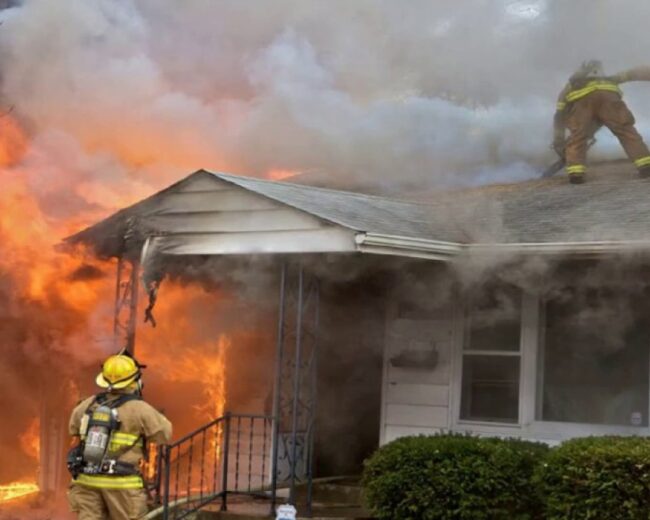
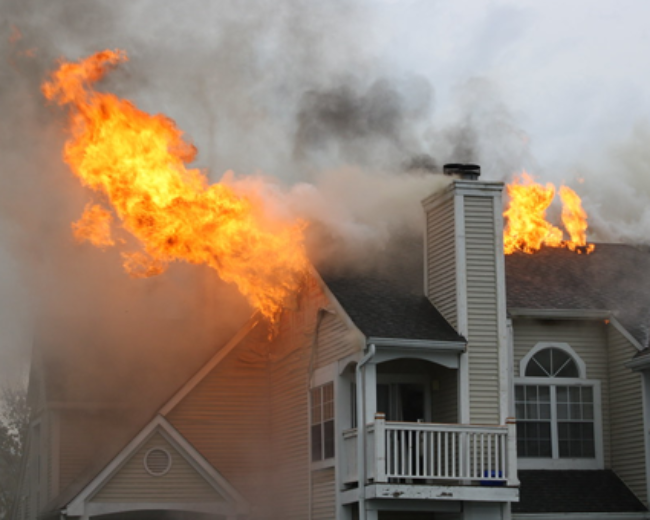
After going through the process of attic fire damage and restoration, the last thing you want is do it all over again. The good news is that with some smart habits and routine checks, you can dramatically reduce the risk of future problems.
Here are some simple ways to keep your attic safe:
- Schedule Annual Electrical Inspections: Have a licensed electrician check the wiring in your attic, especially if your home is older. Faulty wiring is a leading cause of attic fire hazards.
- Practice Smart Storage: Keep stored items away from light fixtures, junction boxes, and chimney chases. Avoid piling boxes directly on top of insulation, and never store flammable liquids like paint or gasoline in the attic.
- Maintain Clearance Around Heat Sources: Ensure there is ample space between any insulation and recessed light fixtures, chimney flues, or exhaust fans to prevent overheating.
- Install and Maintain Smoke Detectors: Place a smoke detector in the attic itself and test it bi annually. This provides the earliest possible warning.
- Improve Ventilation: Proper soffit and ridge venting helps prevent heat buildup in summer, which can stress electrical components and insulation.
Think of these steps not as a chore, but as an investment in your peace of mind. Just like you get regular check ups for your health, your attic needs seasonal attention to stay in top shape and prevent a small issue from turning into a major attic fire damage event.
Conclusion
The hidden threat of fire damage in your attic is real, but it does not have to be a lasting one. From understanding why attics trap smoke to recognizing the signs and following a complete professional restoration process, you now have the knowledge to protect your home and health.
When you are ready for that complete, professional solution, our team at Rock Bottom Recovery & Restoration is here to help. We provide expert Fire & Smoke Damage Restoration designed to tackle the problem at its source, giving you back a safe, clean attic and true peace of mind. For a thorough assessment and a restoration plan that works, call us today at 331-256-1728 or visit our service page to learn more: https://rockbottomrestoration.com/fire-smoke-damage-restoration/.
FAQs
It includes a full process: safety assessment, soot and smoke cleanup, decontaminating your HVAC system, removing damaged insulation, making structural repairs, and professional deodorization to eliminate all odors and contamination.
Electrical issues are the leading cause. This includes faulty wiring, overloaded circuits, and problems with lighting fixtures or fans installed in the attic space.
Costs vary widely based on damage severity and attic size, but a professional attic restoration often ranges from several thousand to tens of thousands of dollars. An on-site inspection provides the only accurate estimate.
It can be, but only after a thorough professional inspection. You must know the full extent of the damage, that it was properly restored with permits, and that the attic and structure were fully addressed to avoid future health and safety issues.
Key steps include upgrading to fire-resistant insulation, ensuring proper clearance around all heat sources, having an electrician inspect the wiring, keeping storage away from fixtures, and installing an attic smoke detector for early warning.