
Mold Remediation Cost Breakdown: What to Expect in 2026
Imagine walking into your home and noticing a musty smell or seeing patches of black spots on your walls. Gross, right? Mold isn’t just an eyesore, it can damage your home, affect your family’s health, and lead to costly repairs if ignored. If you’ve ever asked yourself, “How much will mold remediation cost in 2026?”, you’re not alone.
In this guide, we’ll break down everything you need to know about mold remediation cost (2026), from small bathroom infestations to full-house scenarios. You’ll learn what affects pricing, how professionals calculate costs, and what you might spend depending on where the mold is hiding in your home.
By the end, you’ll not only understand the numbers but also get practical tips to manage mold safely.
What Affects Mold Remediation Costs?
Ever wondered why one mold cleanup can cost a few hundred dollars while another hits five figures? It all comes down to several key factors that professionals consider when providing a mold remediation cost estimate.
Size of Infestation
Naturally, a tiny patch behind a bathroom sink won’t cost the same as mold covering an entire basement. Most remediation specialists calculate pricing based on square footage, which we’ll break down more in the “Mold Remediation Cost Per Square Foot” section. For instance, removing 50 sq ft of mold in a basement might cost $500–$1,500, but that same size in a crawl space or attic could be pricier due to accessibility challenges.
Location in the Home
Speaking of crawl spaces and attics, where the mold grows matters. Hard-to-reach areas or those with sensitive systems, like HVAC ducts, require specialized equipment and more labor, which naturally raises costs.
Type of Mold
Not all mold is created equal. Some species are relatively easy to clean, while others are toxic and require extra safety measures. Handling toxic mold safely increases both labor and material costs.
Additional Services
Sometimes mold is a sign of water damage or poor ventilation. Professionals often include repairs, air duct cleaning, or moisture control as part of the remediation. This is why a mold remediation estimate can vary widely even for the same square footage.
Mold Remediation Costs Per Location
Now that we understand what affects pricing, let’s talk about where mold usually grows and how that affects your wallet. After all, knowing the average cost for specific areas of your home helps answer the question, “What is the average cost to remove mold from a house?”
Attic Mold Remediation Costs
Attics are sneaky. Warm, dark, and often ignored, they create the perfect environment for mold growth. The cost here depends on accessibility, insulation, and the severity of the infestation. For a small patch, you might spend $1,000–$3,000. If mold has spread across the entire attic and affected insulation or roof structures, costs can climb as high as $15,000.
Basement Mold Remediation Costs
Basements are a sweet spot for mold because they are below ground level, often damp, and poorly ventilated. Small infestations may cost $500–$1,500, but a full-scale remediation addressing water damage and structural damage can reach $10,000–$15,000. Curious homeowners often ask, “Is crawl space mold remediation more expensive than other areas?” which we’ll explore next.
Crawl Space Mold Remediation Costs
Crawl spaces can be tricky. Tight spaces, low ceilings, and poor airflow make mold removal more labor-intensive. Prices usually range from $500 to $4,000 depending on severity and access. Since mold here can affect the entire home’s air quality, professional assessment is strongly recommended.
Wall Mold Remediation Costs
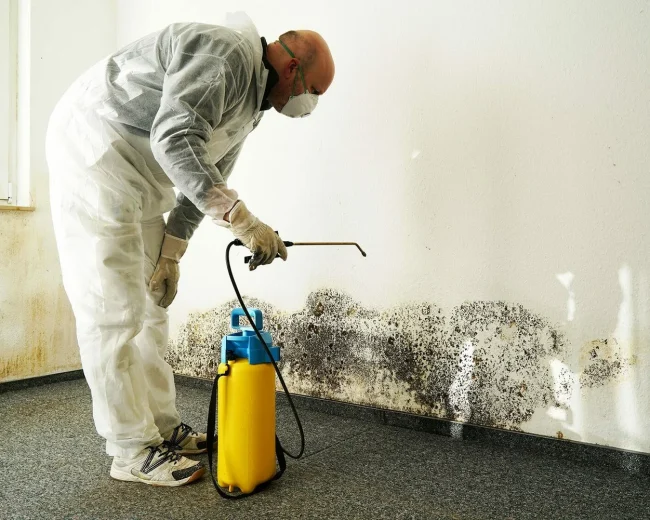
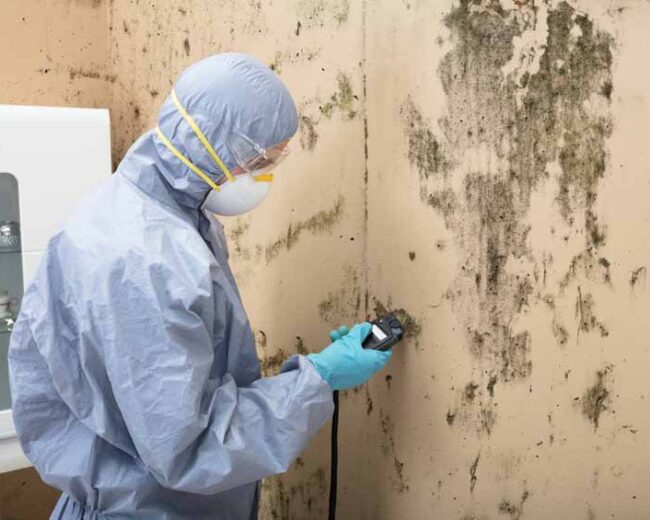
Mold on walls can be deceiving. Surface cleaning is affordable, but if drywall, plaster, or wood studs are affected, repairs add up. Small spots may cost a few hundred dollars, while extensive wall remediation can hit $3,000 or more.
HVAC Mold Remediation Costs
Air ducts, furnaces, and air handlers require expert attention. HVAC mold remediation is one of the priciest because it involves specialized equipment and makes sure spores don’t travel through your home. Expect $3,000–$10,000 for thorough cleaning and treatment.
Bathroom Mold Remediation Costs
Bathrooms see mold frequently due to moisture from showers and sinks. Small infestations may cost $500, while larger, persistent outbreaks with plumbing issues can reach $3,000. Regularly inspecting and ventilating your bathroom helps prevent mold before costs spiral.
Whole-House Mold Remediation Costs
In the worst-case scenario, mold affects the entire house. Whole-house remediation ranges from $10,000 to $30,000 and includes structural repairs, air quality treatments, and sometimes temporary relocation. This is where the factors we discussed earlier start making more sense.
Understanding costs by location prepares you to make smarter decisions when requesting a professional mold remediation pricing quote. Later, we’ll break down costs per square foot and introduce a mold remediation cost calculator to help estimate your total investment.
Mold Remediation Cost Per Square Foot & Estimators
If you’re thinking, “I just want a ballpark figure before calling someone, how do I know what mold removal will cost?” then understanding mold remediation costs per square foot is a great starting point. Instead of guessing, you can calculate costs based on the size of the affected area, which makes budgeting much easier.
On average, homeowners pay $10 to $25 per square foot for mold remediation. So, for example, a 100 square foot bathroom mold problem could cost anywhere from $1,000 to $2,500 depending on severity, location, and type of mold. Compare that to a basement of the same size with hidden water damage, suddenly, your costs could jump to $3,000–$5,000.
Many people now search, “How do I calculate mold remediation costs for my home?” This is where a mold remediation cost calculator comes in handy. These online tools ask for details like the affected area, location, and mold type to provide an estimated range. While it’s not a replacement for a professional inspection, it gives you a clear idea of what to expect.
You can also use a mold remediation cost per sq ft estimate to compare different quotes from contractors. For example, if one professional charges $15 per square foot and another $20, understanding the total square footage affected will show you the real difference in cost. It’s a simple trick to make sure you’re not paying more than necessary for the same service.
By the end of this step, you’ll have a much clearer picture of what mold remediation will cost in your home. And remember, this section ties directly back to the location-based costs we just discussed, because the square footage cost often depends on where the mold is and how accessible that area is. Later, we’ll discuss DIY versus professional remediation, so you can decide if it’s something you can handle yourself or if calling in mold remediation experts is the safer bet.
DIY vs Professional Mold Remediation
So now that you know how mold remediation costs per square foot are calculated, you might be wondering, “Can I just handle this myself and save a few bucks?” Well, it depends, but before you grab gloves and bleach, let’s break it down.
For small, surface-level mold spots, like a few inches behind a bathroom sink or on a tile grout line, DIY cleaning can sometimes work. Just make sure to wear protective gear, ventilate the area, and scrub thoroughly. But here’s the catch: mold is sneaky. Even a small visible patch can hide behind walls, under flooring, or inside your HVAC system. That’s when it’s time to call in the pros.
Professional mold remediation services not only remove visible mold but also address the root cause, like hidden moisture or ventilation issues, so the mold doesn’t come back. Imagine spending $500 cleaning a tiny bathroom mold spot yourself, only to have it spread and turn into a $5,000 basement problem. Not fun, right?
So, the big takeaway? DIY works for tiny, easy-to-reach mold patches, but for anything more than a small spot, hiring professionals is worth it. Not just for safety, but also to prevent future headaches and higher costs.
Additional Costs & Considerations
By now, you have a good idea about DIY vs professional mold remediation, and how mold remediation costs per square foot can add up. But there’s more to consider before you write the final check.
First, think about structural repairs. Mold can weaken drywall, flooring, or even wooden beams. If the infestation is extensive, these repairs can significantly increase the average mold remediation price. For example, a bathroom might cost $500–$3,000 for basic remediation, but replacing damaged drywall could add another $1,000.
Next up is HVAC cleaning. Mold hiding in air ducts or your furnace doesn’t just sit there, it spreads spores throughout your home. Addressing these hidden spots requires specialized equipment, which can increase the cost to remove mold in home.
Other factors include temporary housing, if the mold is severe enough to make parts of your home unsafe, and post-remediation testing.
And here’s an important question homeowners often ask: “How do location and size of mold affect remediation cost?” Simply put, the bigger the infestation and the harder it is to access, the higher the cost. A crawl space or HVAC system will typically cost more than a small bathroom patch because of the labor, equipment, and time involved.
So, when planning your budget, don’t just think about the visible mold, you need to factor in all the hidden challenges, extra services, and safety measures to get an accurate mold remediation estimate.
Wrapping Up Your Mold Remediation Journey
Mold can be sneaky, costly, and stressful, but understanding the factors that influence mold remediation cost (2026)—from size, location, and type of mold to hidden damage and extra services—gives you the power to plan and budget wisely.
When it comes to professional help, Rock Bottom Recovery & Restoration offers expert Mold Remediation Services designed to remove mold completely, address the root causes, and ensure it doesn’t return. Enjoy a healthier home and peace of mind knowing your family is safe. Call 331-256-1728 or visit https://rockbottomrestoration.com/mold-remediation-services/ to learn more and schedule your service today.
FAQs
Costs vary depending on size, location, and severity, but small jobs may start around $500, while larger infestations can reach $30,000 for whole-house remediation.
For small areas, yes. But for extensive infestations, professionals may recommend temporary relocation to avoid health risks.
Properly done, mold remediation is permanent, as long as moisture issues are addressed and preventive measures are maintained.
DIY is only safe for small, surface-level patches. Larger or hidden infestations require professional expertise.
Look for musty odors, visible black or green spots, water stains, or persistent allergies and respiratory issues.