
Residential Mold Remediation: Why It Matters for Your Home
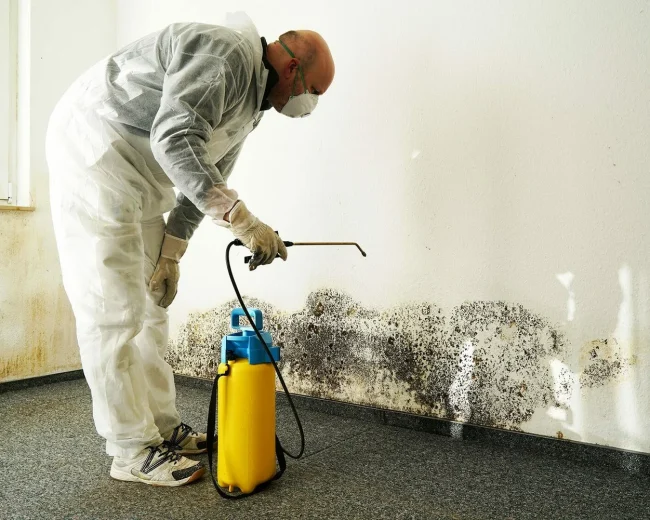
Mold does not always look serious at first. It can start as a small patch, a musty smell, or light discoloration on walls or ceilings. But once mold begins to grow, it continues to spread into materials like drywall, wood, and insulation. It also affects the air inside your home. This is why residential mold remediation focuses on removing the mold completely and correcting the moisture problem that caused it, so your home stays safe and healthy.
Why It Matters
- Protects Indoor Air: Removes mold spores from the air you breathe.
- Prevents Structural Damage: Stops mold from eating into walls and flooring.
- Reduces Health Risks: Helps prevent coughing, allergies, and breathing issues.
- Stops Future Growth: Fixes the moisture source so mold doesn’t return.
- Saves Repair Costs: Early remediation prevents expensive reconstruction later.
What Causes Mold in Homes
Mold grows when moisture stays trapped in one place for too long. Most of the time, homeowners don’t notice it right away because mold often starts in quiet or hidden areas. Places like bathrooms, basements, attics, behind drywall, or under flooring stay damp easily. When moisture isn’t dried properly, mold begins to develop and gradually spreads, which is why understanding the cause is just as important as the cleanup during residential mold remediation.
Common Causes of Mold
- Water Leaks: From sinks, roofs, pipes, or basement cracks.
- High Humidity: Indoor humidity above 60% encourages mold growth.
- Poor Ventilation: Bathrooms and kitchens without proper airflow trap moisture.
- Past Water Damage: Floods or spills that were never completely dried.
Condensation: On windows, walls, or cold surfaces during temperature changes.
Signs You May Need Residential Mold Remediation
Many mold problems are visible, but some are only noticeable through smell or symptoms. If your home feels damp, musty, or causes discomfort when you spend time inside, mold may be present even if you don’t see it. Paying attention to early signs can help prevent the problem from becoming bigger and more expensive.
Warning Signs to Watch
- Persistent Musty Smell: The most common early clue.
- Spots or Stains: Black, green, brown, or white patches on surfaces.
- Peeling Paint or Bubbling Walls: Moisture buildup behind surfaces.
- Health Changes Indoors: Sneezing, coughing, headaches that improve outside.
- Soft or Damp Walls/Floors: Moisture spreading beneath surfaces.
How Professional Residential Mold Remediation Works
Once mold is identified, the goal is to remove it safely and prevent it from returning. Professionals follow a clear, step-by-step process designed to protect your home and stop mold from spreading through the air. This is why residential mold remediation services are more effective than surface cleaning or bleach — the process goes deeper and addresses the moisture source as well.
Step-by-Step Process
- Inspection & Moisture Check: The technician locates all visible and hidden mold areas and finds what is causing moisture.
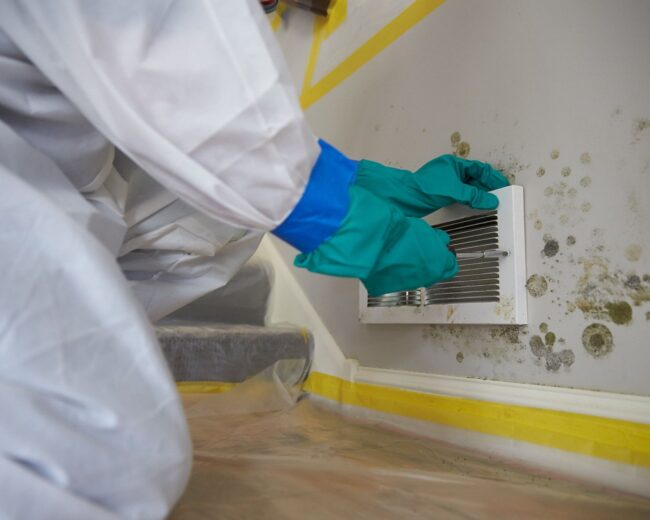
- Containment: Plastic barriers and airflow control stop mold spores from spreading to clean rooms.
- Air Filtration: HEPA air scrubbers filter mold particles from indoor air.
- Removal & Cleaning: Mold is removed from affected materials safely and thoroughly.
- Drying the Area: Dehumidifiers and ventilation restore proper dryness.
- Fixing Moisture Source: Leaks or humidity problems are repaired to prevent mold from returning.
Residential Black Mold Remediation
Black mold (often referred to as Stachybotrys) can grow in areas that stay wet for a long time, such as behind walls after leaks, under wet carpets, inside bathrooms, or in basements. It has a stronger odor and spreads faster than many other types of mold. Because of this, residential black mold remediation requires careful handling to prevent spores from spreading into the air during removal.
When Extra Caution Is Needed
- Strong Musty Smell: The odor becomes noticeable even when mold is not visible.
- Recurring Mold Spots: Mold returns even after cleaning attempts.
- Soft or Wet Drywall: Indicates mold may be growing underneath the surface.
- Health Sensitivity: If anyone at home has asthma, allergies, or weakened immunity.
How Black Mold Is Treated
- The area is sealed tightly to contain spores.
- HEPA filters clean the air during and after removal.
- Contaminated drywall, carpets, or insulation may be safely removed and replaced.
- The moisture source is repaired to prevent the mold from returning.
(Source: CDC Mold & Health Recommendations — https://www.cdc.gov/mold/faqs.htm)
Residential Mold Remediation Cost
The cost of residential mold remediation depends on how much mold is present, where it is located, and whether the moisture issue requires repair. Small mold problems are usually less expensive, while mold hidden behind walls or spread across multiple rooms can cost more. Getting the mold treated early often prevents major repairs and keeps overall cost lower.
Scope of Mold Issue | What’s Involved | Estimated Cost Range |
Small Area (Surface Mold) | Cleaning + Light Treatment | $200 – $500 |
One Room (Bathroom / Bedroom Wall) | Containment + Removal + Drying | $800 – $3,000 |
Multiple Rooms / Basement | Deep Cleaning + Material Removal | $3,000 – $10,000+ |
Residential Black Mold Remediation | Special Safety Precautions + Containment | Higher end of cost range |
(Cost ranges vary by location, damage level, and access to affected areas.)
How to Prevent Mold from Coming Back
Once mold is removed, the goal is to keep your home dry and well-ventilated so it doesn’t return. Even after residential mold remediation, mold can regrow if moisture remains in the same area. Small, consistent habits help keep humidity under control and prevent new mold growth in bathrooms, basements, kitchens, and laundry rooms.
Simple Prevention Tips
- Fix Leaks Quickly: Repair roof, pipe, or sink leaks as soon as they are noticed.
- Improve Ventilation: Use exhaust fans during showering and cooking.
- Control Humidity: Keep indoor humidity around 30–50% using a dehumidifier.
- Leave Space Around Walls: Avoid pushing furniture directly against walls to let air circulate.
- Dry Wet Areas Promptly: Wipe moisture from shower walls, windows, and floors.
- Check Basements & Attics Regularly: These spaces often trap moisture first.
Choosing the Right Residential Mold Remediation Company
When you’re dealing with mold at home, the company you choose makes a big difference. Some providers only clean what’s visible, but surface cleaning doesn’t stop mold from returning. To truly protect your home and your indoor air, you need a team that focuses on both mold removal and the moisture source behind it. Think of it this way: If the cause of moisture stays, mold will always find its way back.
That’s why choosing experienced residential mold remediation companies is important.
What to Look For
- Certified & Trained Technicians
Professionals who understand how mold spreads and how to stop it safely. - Detailed Inspection and Explanation
They should show you where the mold is, why it formed, and what needs to be done — in simple words, not complicated terms. - Proper Containment & HEPA Filtration
This stops mold spores from spreading into clean areas during removal. - Moisture Source Repair
Whether it’s a leak, humidity issue, or ventilation problem, it must be fixed to prevent mold from returning. - Before & After Documentation
Photos, moisture readings, or air quality reports to prove the home is safe again.
Conclusion: Protect Your Home, Your Air, and Your Peace of Mind
Mold isn’t just something growing on a wall — it affects the air you breathe, your comfort, and your home’s structure. When moisture stays hidden, mold spreads quietly, and the longer it grows, the harder (and more expensive) it becomes to fix. This is why residential mold remediation is more than just cleaning. It’s about removing the mold, stopping it from spreading, and preventing it from coming back.
Whether it’s a small area in the bathroom or residential black mold remediation in a basement or attic, the right approach can restore your home’s safety and freshness. And remember, mold isn’t something you need to handle alone. Professionals have the training, tools, and strategies to solve the problem the correct way.
Your home should feel safe, clean, and healthy in every room, every day.
Need Mold Removed? Rock Bottom Restoration is Here to Help
At Rock Bottom Restoration, we provide residential mold remediation services with:
- Careful inspection and clear explanations
- Safe removal with proper containment
- Moisture source solutions to prevent future growth
- Honest pricing and experienced professionals
Whether you’re worried about mold in your bathroom, basement, attic, or behind walls — we’ll help you breathe easier again.
Ready to restore your home’s air quality and safety?
Contact Rock Bottom Restoration today for a professional evaluation.
FAQ
Residential mold remediation is the process of removing mold from your home and fixing the moisture source that caused it. The goal is to stop mold from returning and improve indoor air quality.
Common signs include a musty smell, dark spots on walls or ceilings, peeling paint, and increased allergies. If you notice these, schedule an inspection.
The residential mold remediation cost depends on how large the affected area is and how deep the mold has spread. Smaller areas may cost a few hundred dollars, while larger issues can be more. Getting a professional inspection gives the most accurate estimate.
Fix leaks fast, keep humidity below 50%, improve ventilation in kitchens and bathrooms, and use dehumidifiers in basements or damp rooms. Prevention starts with moisture control.
Residential black mold remediation is important because black mold can trigger stronger allergic reactions in some people. However, any mold affecting health or spreading needs professional removal.