
The 2026 Commercial Restoration Timeline: From Damage to Reopening
That 3 a.m. phone call is every business owner’s nightmare. A burst pipe is flooding your restaurant kitchen, or smoke is billowing from your office roof. At that moment, one question screams louder than all others: “How long until I can reopen my business?”
Understanding the commercial restoration timeline is not just about curiosity; it’s about survival. Every day your doors are closed impacts your sales, your team, and your customers. And getting a straight answer can feel impossible.
This guide cuts through the confusion. We’ll walk you through the modern commercial restoration services process from that first emergency call to the moment you turn the open sign back on, giving you the clarity you need to navigate this crisis.
The 2026 Commercial Restoration Timeline
So, what does the commercial restoration process actually look like? It’s a common question we hear from business owners who feel overwhelmed. To give you a clear picture, we’ve broken down the entire journey into a simple, visual roadmap.
Think of the table below as your cheat sheet. It shows you the major phases, about how long each one takes, and the key activities that get you closer to reopening your doors. This is your first step in understanding the path from damage to reopening.
Phase | Duration | Key Activities |
Emergency Response & Safety | 0 – 48 Hours | Securing the property, initial damage control, ensuring safety. |
Deep Assessment & Documentation | 1 – 5 Days | Finding all damage, creating reports for your insurance claim. |
Planning & Approvals | 3 – 14 Days | Finalizing the repair plan, coordinating with your insurance, securing permits. |
Cleaning & Stabilization | 1 – 7 Days | Water extraction, soot cleanup, drying, preventing further damage. |
Repairs & Rebuilding | 2 – 12+ Weeks | Structural repairs, replacing electrical/HVAC, rebuilding walls. |
Final Touches & Reopening | 1 – 3 Weeks | Painting, flooring, final inspections, handing back the keys. |
This business recovery timeline gives you a realistic framework. Now, let’s walk through each of these phases so you know exactly what to expect and why each step is so important for your property.
Phase-by-Phase Breakdown of the Commercial Restoration Process
Alright, let’s pull back the curtain. At this point you’re probably wondering, “what actually happens after I call for help?” Here’s a walkthrough of the eight phases that take your property from crisis to grand reopening.
Phase 1: The First 48 Hours – Emergency Response & Initial Safety Procedures
Imagine it’s the middle of the night, and you’ve just had a fire. The team’s first job isn’t to start rebuilding; it’s to make sure nothing else goes wrong. They immediately secure the site—boarding up broken windows, tarping a damaged roof, and shutting off utilities if needed. These initial safety procedures in commercial restoration services are all about preventing looting, weather damage, or accidents. The faster they can stabilize the scene, the less secondary damage you’ll have to deal with later, which directly protects your bottom line. A quick, professional response here sets the tone for the entire restoration project timeline.
Phase 2: Damage Assessment & Documentation for Claims (1-5 Days)
Now, it’s time to play detective. The damage you can see is often just the tip of the iceberg. Professionals use moisture sensors, thermal cameras, and even 3D scans to find water hidden in walls or smoke residue in your ductwork. This thorough evidence-gathering is the heart of strong documentation for commercial restoration claims. Think of it this way: a detailed photo log and moisture map they create is like building a rock-solid case for your insurance claim. This step is what ensures your commercial property damage restoration covers every last bit of damage, not just the obvious spots.
Phase 3: Insurance Coordination & Approvals (3–14 Days)
This is often the phase that tries everyone’s patience. But in 2026, it’s gotten much smoother. Commercial restoration companies act as your advocate, sending that digital evidence pack directly to your insurance company and speaking their language. This is where a good commercial damage restoration company proves its worth. Their accountability in commercial restoration services means they handle the back-and-forth, pushing for a fair and fast approval so you can focus on your team and customers, not paperwork. Delays here usually come from slow adjuster responses, but their established relationships often help speed things up.
Phase 4: Site Stabilization & Mitigation (1–7 Days)
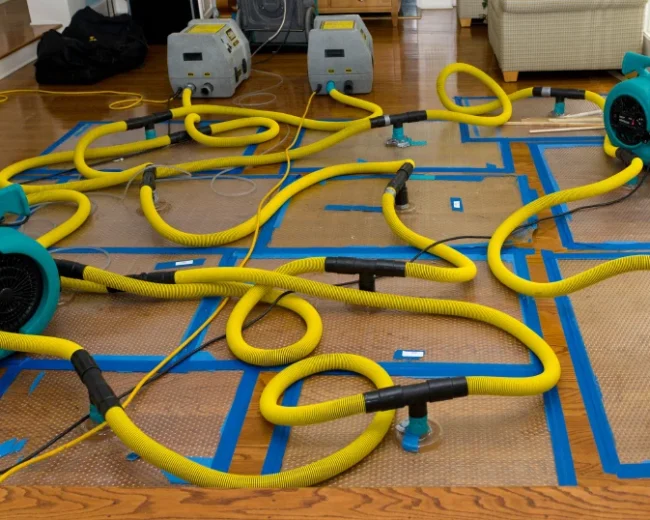
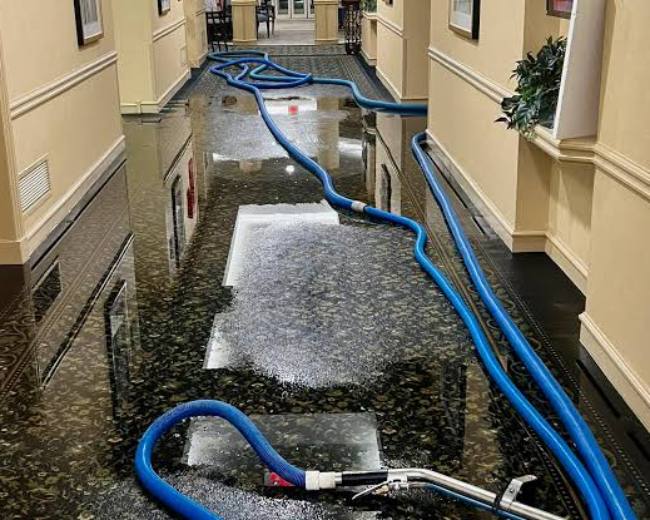
With approvals in hand, the real hands-on work begins. This phase is all about commercial cleaning & restoration. They’re not just tidying up; they’re performing critical damage control. This means extracting standing water, using industrial-grade air movers to dry out the structure, and cleaning smoke residue from every surface. For a commercial damage restoration team, this step is like performing surgery—they remove the harmful elements so the healthy structure can begin to heal. Rushing this is a huge risk, as hidden moisture is a guaranteed ticket to a mold problem down the road.
Phase 5: Demolition & Debris Removal (2–14 Days)
You can’t rebuild on a shaky foundation. So, if drywall is soaked, flooring is ruined, or structural beams are charred, it all has to go. It might look destructive, but controlled demolition is a positive step. It’s about clearing out the damage to make way for the new. They carefully remove debris, separating materials for recycling where possible. While it can be noisy and messy, seeing a clean, empty space is the first visual sign that your commercial restorations are moving full steam ahead.
Phase 6: Core Structural & Systems Restoration (2–12+ Weeks)
This is the longest phase, but also the most exciting. It’s where your business literally gets rebuilt from the inside out. You’re talking new framing, running new electrical wires and plumbing pipes, and installing a new HVAC system. A top-tier Commercial restoration company manages all these different trades—the electricians, the plumbers, the framers—like a conductor leading an orchestra. This coordination is key to avoiding delays. The timeline here depends entirely on the size of the job, but clear communication from a good company means you’ll never be left wondering what’s happening.
Phase 7: Interior Finishes, Compliance & Testing (1–6 Weeks)
The walls are up and the lights work! Now comes the finishing work: painting, installing new flooring, and hanging doors. But it’s not just about looks. This part includes critical testing and inspections to ensure everything is up to modern building codes, including 2026 updates to energy efficiency and ADA standards. Professionals schedule and manage all the final inspections, doing their own pre-check first to make sure they pass with flying colors. This attention to detail is what separates a quick patch-job from a restoration that lasts.
Phase 8: Final Walkthrough & Business Reopening (1–3 Days)
This is it. The moment we’ve all been working toward. They do a final walkthrough with you, making sure you’re happy with every detail. They’ll point out your new electrical panel, show you how the new HVAC system works, and hand over all the warranties and manuals. Then, they give you the keys. This final step completes the business recovery timeline, transforming a construction site back into the heart of your operations, ready for you to welcome back your team and customers.
Factors That Influence Your 2026 Restoration Timeline
So, why can one project take a month and another take six? It’s a fair question. While the process is structured, a few key things can really shape your specific restoration project timeline.
- Severity of Damage: A small, contained leak is a quick fix, while a fire that compromises the building’s structure is a much larger undertaking.
- Property Size & Complexity: A single-story office is naturally faster to restore than a multi-story building with specialized spaces like a commercial kitchen or lab.
- Material Availability: Standard materials are quick to get, but custom finishes or specialized equipment can have lead times of several weeks.
- Permit Delays: The speed of local municipal approvals can vary, potentially adding time before work can even begin.
- Insurance Speed: How quickly an insurance company approves the scope of work and funding is a major factor in starting the rebuild phase.
- Hidden Surprises: Discovering mold, asbestos, or previously unknown structural issues during demolition can extend the timeline for proper remediation.
- System Complexity: Rebuilding a standard office is simpler than restoring a facility with complex electrical, HVAC, or fire suppression systems.
Understanding these factors helps set realistic expectations from the very beginning.
Your Quick, Printable Step-by-Step Restoration Plan
Feeling a bit overwhelmed? Let’s simplify everything into a clear action plan you can actually use. Think of this as your cheat sheet for navigating the entire situation.
Here is a straightforward step-by-step restoration plan to guide you from the moment disaster strikes until you’re back in business:
- Ensure Safety First: Immediately evacuate the premises and contact emergency services if needed. Do not re-enter until it is declared safe.
- Contact Your Insurance Provider: Alert them about the incident to start the claims process.
- Call a Reputable Restoration Company: Have them begin emergency board-up and stabilization services to prevent further damage.
- Document Everything: Take your own photos and videos of all damage before anything is moved or cleaned up.
- Secure Important Documents: Retrieve vital business records if it is safe to do so.
- Review the Assessment: Go through the detailed damage report and restoration plan with your chosen company.
- Finalize Insurance Details: Work with the restoration team and your adjuster to get the scope of work and funding approved.
- Plan for Business Continuity: Decide if you will operate remotely, from a temporary location, or in a protected part of the building.
- Stay Informed: Maintain regular communication with your project manager for updates throughout the rebuild.
- Conduct a Final Walkthrough: Before signing off, carefully inspect the completed work to ensure everything meets your expectations.
Following this plan helps bring order to chaos and puts you in control.
The Path from Damage to Reopening, Simplified
Navigating a commercial restoration can feel like a marathon, but now you have a clear map of the entire journey from that first emergency call to reopening your doors. Remember, while every project’s timeline is unique, understanding this structured process removes the mystery and empowers you to make informed decisions every step of the way.
When you’re ready for a partner who provides this clarity from day one, talk to us at Rock Bottom Recovery & Restoration. Our professional Commercial Construction & Restoration services are built on clear communication, ensuring you’re never left in the dark about your project’s progress. Let’s get your business back on its feet. Call us at 331-256-1728 or visit https://rockbottomrestoration.com/commercial-construction-restoration/ to learn how we can help.
FAQ
There's no single answer. A small project may take a few weeks, while a large rebuild can take several months. The timeline depends on damage severity, property size, and insurance speed.
It's the complete process of repairing and rebuilding a business property after damage from water, fire, or storms. It goes beyond cleaning to include structural repairs, system replacements, and bringing the space up to code.
First, ensure everyone's safety. Then, immediately contact your insurance provider and a professional restoration company to begin emergency stabilization and prevent further damage.
Often, yes. With proper containment and phased work, many businesses can operate from unaffected areas or a temporary location while restoration continues around them.
Thorough documentation (photos, moisture maps) creates undeniable proof for your insurance company. This helps ensure your claim covers the full cost of repairs, including hidden damage.