
The Science of Drying a Water Damaged Home
You push open your front door after a long day, only to be met with a soggy carpet and the unmistakable, unsettling sound of squelching underfoot. Whether it’s a burst pipe, a faulty appliance, or a weather-related flood, discovering water damage in homes is a heart-sinking moment that demands immediate action.
Your first instinct might be to grab every towel you own and set up a fan. It’s a logical thought, but what if we told you that this could actually make the problem worse? The truth is, home water damage repair isn’t about removing the water you can see; it’s about mastering the science of drying the water you can’t.
This guide will walk you through the real science behind drying out your home, explaining why professional methods are so effective and how they can save you from long-term headaches like mold and structural issues.
Understanding Water Damage in Homes
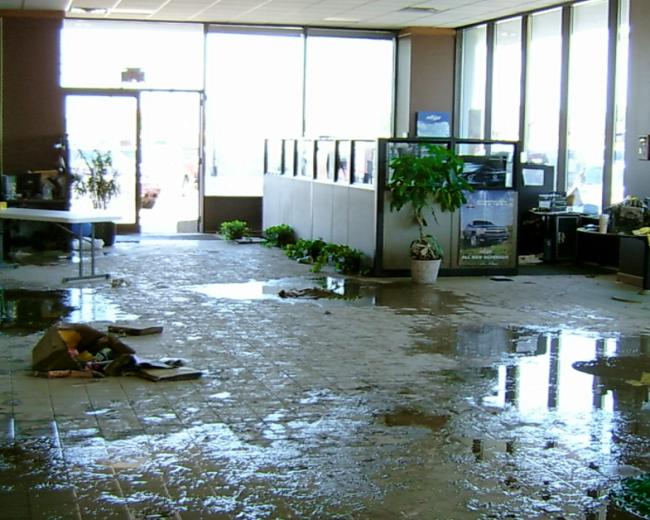
Let’s be real for a second. When you see that water on the floor, you’re not just seeing a puddle. You’re looking at a race against time. That water is already working its way into your floorboards, creeping up your drywall, and looking for any dark, cozy spot to settle in.
And the source of the water? That matters a lot. A burst pipe from your sink is one thing. But if that water came from a backed-up sewer or a flood from outside, you’re dealing with nasty bacteria and contaminants you definitely don’t want in your home. It’s the difference between a messy spill and a full-blown health hazard.
So, what happens if you just dab at the surface and hope for the best? Within a day or two, you might notice a musty smell. That’s the first warning sign of mold. And once mold gets a foothold, you’re looking at a whole new problem. This is why knowing how to repair home water damage the right way isn’t just about cleaning up; it’s about protecting your family’s health and your home’s structure from the inside out.
Why Drying Water Damage is Not Simple
Okay, so you’ve got a wet floor. Your first move is probably to plug in a fan, right? It seems like the obvious thing to do. But what if that fan is actually part of the problem?
Think of it this way. A fan works by blowing wet air around the room. It might dry the surface, but it’s also pumping invisible moisture into your walls and ceiling. And before you know it, that one wet spot has turned your whole room into a humid jungle, which is the perfect breeding ground for mold. Yikes.
This is where most DIY efforts hit a wall. Effective drying isn’t about wind power; it’s about the science of drying water damage. It’s a balancing act between air, temperature, and moisture that answers the big question: “How do you dry out a house after water damage without accidentally growing a science experiment in your drywall?”
The Science of Drying Water Damage
So, how do the pros do it? It all comes down to controlling the environment, almost like a chef perfectly managing a recipe. They use a bit of science called psychrometry, which is just a fancy word for understanding how air, temperature, and moisture play together.
Think of the air in your home as a sponge. On a humid day, the sponge is already full and can’t soak up another drop. This is what happens when you just run a fan—you’re waving a full, wet sponge around, and it can’t pull more moisture from your floors. Pros use tools to measure this, ensuring the air is always “thirsty” enough to pull water out of your walls.
This “thirst” is created by mastering four things at once:
- Evaporation: Just like you hang a wet shirt to dry, they use targeted warmth and airflow to coax water out of your carpets and drywall, turning it into vapor.
- Dehumidification: This is what your fan misses. While the water is being pulled into the air, massive industrial dehumidifiers act like a super-powered wringer, squeezing that moisture back out into a drain tank. This is the key to stopping mold in its way.
- Air Movement: They don’t just point fans randomly. They set up a pattern of dry air that sweeps across every wet surface, constantly replacing the damp air with dry air, making the whole room work like a drying machine.
- Temperature Control: A slightly warm room helps water evaporate faster. But too hot, and you can warp wood or create more humidity. It’s a constant, careful balance.
All this works because of a simple rule: water always moves from a wet area to a drier one. Water damage cleanup experts create a powerfully dry environment that actively pulls moisture from your home’s structure until it’s bone-dry, not just surface-dry. This is what true water damage restoration is all about.
Step-by-Step Water Damage Cleanup Process
Alright, so we’ve talked about science. Now, what does that actually look like when a team shows up at your door? It’s a clear, no-nonsense process designed to get your life back to normal as quickly and safely as possible.
Here’s a behind-the-scenes look at how a quality water damage cleanup service gets the job done right.
Assessment and Moisture Detection
First, they play detectives. Using tools like thermal imaging cameras and moisture meters, they scan the area to find every hidden pocket of moisture. This creates a “map” of the damage, making sure they know exactly what they’re dealing with behind walls and under floors.
Water Extraction
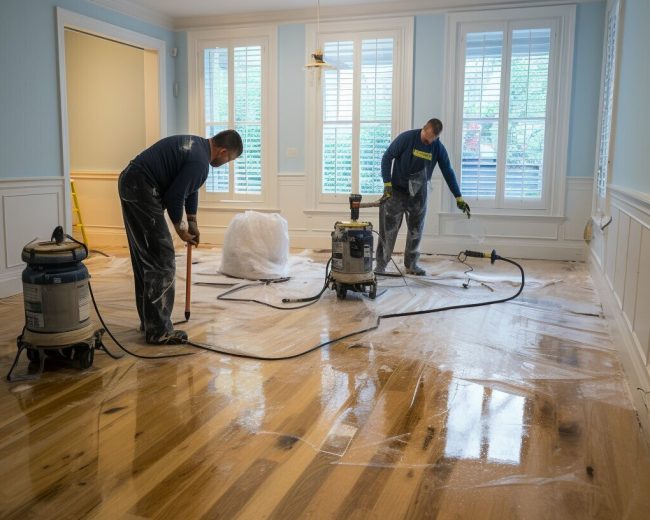
Next, they tackle the water you can see. With powerful pumps and wet/dry vacuums, they remove all the standing water. This crucial first step in the water damage cleanup process stops the damage from spreading further.
Air Circulation and Dehumidification
This is where science kicks into high gear. Professionals set up industrial-strength air movers and low-grain refrigerant (LGR) dehumidifiers. This powerful combination circulates dry air and systematically wrings the moisture out of it, creating that “thirsty” environment we talked about.
Monitoring and Verification
A professional team doesn’t just set up equipment and leave. They constantly monitor humidity levels and moisture content in your walls and floors. This careful tracking makes sure the drying process takes the exact right amount of time.
Cleaning and Sanitizing
The final step is a deep cleanup water damage phase. Once everything is confirmed to be dry, the area is cleaned and sanitized to address any potential mold spores or bacteria, leaving your home not just dry, but truly clean and safe.
How Long Does the Drying Process Take?
By now, you’re probably wondering, “How long until my life is back to normal?” It’s a great question, and the honest answer is: it depends. A proper dry-out isn’t a race; it’s a carefully managed process.
Here’s a general idea of what the drying process takes for different materials:
- Carpet: At least 24 hours or more.
- Drywall: Typically 1 to 3 days.
- Hardwood Floors, Plaster, or Concrete: This can take longer, often 7 to 10 days, because the moisture is trapped deep within.
The exact timeline depends on a few big factors, including how much water there was, the type of materials in your home, and how well the team can control the room’s temperature and humidity. Rushing this stage is the most common mistake that leads to mold coming back weeks later. A trustworthy water damage cleanup company will always be upfront about the timeline, because getting it done right is what truly saves your home.
Preventative Measures for Homeowners
Once your home is dry and safe, the last thing you want is to do it all over again. While you can’t stop every disaster, a few smart habits can lower your risk and make you feel more in control.
Here are a few simple ways to protect your home:
- Routine Plumbing Inspections and Maintenance: Make a habit of checking under sinks, around your water heater, and behind appliances for any signs of moisture or slow leaks. A little vigilance can spot a small drip before it becomes a giant puddle.
- Water Alarms, Sump Pumps, Drainage Systems: Place water alarms near your sump pump, washing machine, and in the basement. These little gadgets will warn you at the first sign of moisture, giving you a heads-up to tackle a problem early.repair water dam
- Invest in Your Foundation: If you live in an area prone to heavy rain or flooding, a sump pump is your best friend. It’s designed to pump water away from your home’s foundation, keeping your basement dry.
- Choose Tough Materials: When renovating basements or bathrooms, consider using water-resistant drywall or cement board. These materials can buy you precious time and limit damage if a leak does occur.
Taking these steps is a powerful part of knowing how to repair water damage in home before they even start. It’s all about being smart to protect your peace of mind.
Conclusion
Dealing with a water damaged home is stressful, but as you’ve seen, there’s a real science to fixing it right. It’s not about fans and towels; it’s about controlling evaporation, humidity, and airflow to pull every bit of moisture out.
When you need that expert care, Rock Bottom Recovery & Restoration is here. Our Water Damage Cleanup Services are built on this exact science, ensuring we bone-dry your home to stop damage in its tracks. For a team that gets it done right, call us at 331-256-1728 or visit https://rockbottomrestoration.com/water-damage-cleanup/ to learn more.
Frequently Asked Questions
Professionals use a scientific process that combines powerful water extraction, strategic air movement with industrial air movers, and intense dehumidification to pull moisture from your walls and floors.
The science of drying, called psychrometry, involves controlling air temperature, humidity, and airflow to efficiently evaporate moisture from materials and then capture that water vapor from the air before it can cause mold or secondary damage.
The most effective method is professional-grade antimicrobial cleaning and sanitizing after the affected area has been completely dried out. Simply killing mold isn't enough; the spores must be removed to prevent regrowth.
Drying times vary, but generally, carpets take 24+ hours, drywall 1-3 days, and denser materials like hardwood or concrete can require 7-10 days of professional drying equipment to dry completely.
The national average for professional water damage drying ranges from $4 to $12 per square foot. The final cost depends on the extent of water, the affected materials, and the duration of the drying process.