
Water Damage Cleanup for Upstairs Bathroom Drips (2026 Guide)
Upstairs bathroom drips often start small, yet the impact grows quickly. Water trickling through ceilings, soaking drywall, or running behind tiles can damage the structure, weaken the flooring, and create hidden moisture pockets. Homeowners usually notice ceiling spots, bubbling paint, or a musty smell long before they find the real source. This guide explains how to clean up the damage, stop the moisture, and protect your home from repeat issues.
This resource works well for anyone dealing with fresh leaks, long-term drips, or sudden wet spots below an upstairs bathroom. Every step below stays beginner-friendly while still offering deep detail for long-term prevention.
Common Signs of Water Damage from Upstairs Bathroom Drips
Small clues show up before ceilings begin sagging. Spotting these signs early helps limit repairs and keeps costs lower.
- Brown or yellow ceiling stains below the bathroom
- Soft or damp drywall
- Peeling paint or bubbling texture
- Persistent wet smell or humidity in the lower room
- Drips during or shortly after shower use
- Loose tiles on the bathroom floor
- Water pooling near the toilet or tub
These signs point to hidden leaks coming from supply lines, drain pipes, shower pans, or poorly sealed fixtures.
Immediate Steps When You Notice a Drip
Quick action prevents bigger damage. Even slow drips can soak framing, electrical wiring, and insulation.
1. Shut Off Water Flow to the Bathroom
Bathroom shutoff valves control water to sinks, toilets, and showers. Turning them off slows or stops the leak while you inspect the area.
2. Dry the Visible Water
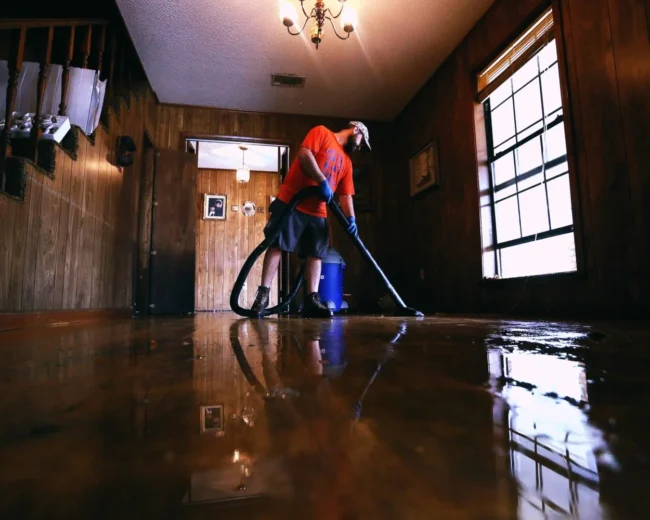
Use towels, fans, or a wet/dry vacuum to remove standing water from floors or ceilings. Moist surfaces become breeding grounds for mold within hours.
3. Contain Dripping Water from the Ceiling
Position a bucket under the drip to keep water off your flooring. Poke a tiny hole in swollen drywall to direct hidden water into the bucket, reducing ceiling collapse risk.
4. Ventilate the Entire Area
Strong airflow helps lower humidity. Open windows, run exhaust fans, or use a dehumidifier to push moisture out.
5. Document the Damage for Insurance
Clear photos show the extent of the leak. Insurance companies usually ask for before-repair documentation, especially when ceiling replacement is required.
Identifying the Source of an Upstairs Bathroom Leak
Successful cleanup starts with finding the exact cause. Several bathroom components may leak even when they look normal.
Shower or Tub Leaks
- Worn grout or cracked caulk lines
- Damaged shower pan
- Loose drain assembly
Sink or Vanity Drips
- Loose P-trap connections
- Worn supply lines
- Faulty faucet seals
Toilet Leaks
- Failed wax ring
- Loose tank bolts
- Cracked toilet base
Flooring Problems
- Water slipping through tile cracks
- Gaps near tub edges
- Overflow incidents
Hidden leaks often sit between floors, slowly soaking joists and insulation. A moisture meter helps identify exactly where water is collecting.
How to Clean Up Water Damage from Upstairs Bathroom Drips
Cleanup must address both visible and hidden moisture. Skipping steps leads to mold growth and repeated damage.
1. Remove Damaged Ceiling or Wall Sections
Cut out soaked drywall using a utility knife. Only remove the wet portion, leaving dry sections intact. This exposes framing so you can inspect for mold or trapped water.
2. Dry the Structure Completely
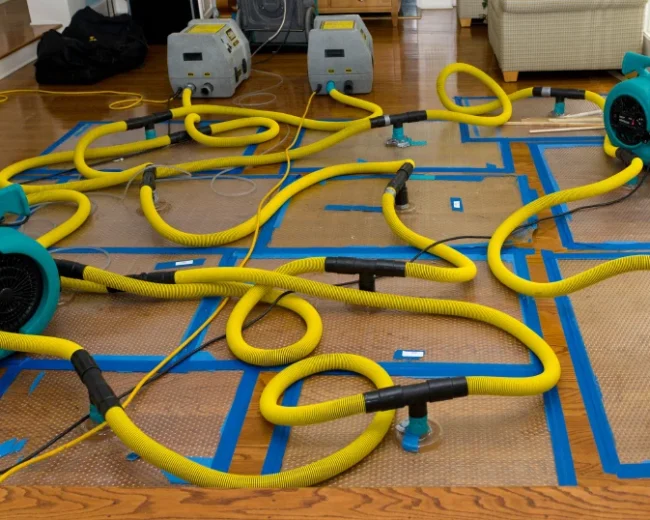
High-powered fans push moisture out of wood framing. A dehumidifier removes dampness from the air. Drying may take one to three days depending on drip severity.
3. Treat the Area with Mold-Resistant Solutions
Use antimicrobial spray on wood, drywall edges, and insulation. This prevents mold spores from settling while the area dries.
4. Replace Wet Insulation
Wet insulation loses effectiveness and can hold water for days. Remove soggy sections and replace them once the space dries.
5. Seal the Leak Source Before Rebuilding
Tighten plumbing connections, install new caulk, replace a wax ring, or fix cracked tiles before closing the ceiling. Rebuilding without repairs guarantees another leak.
6. Reinstall Drywall and Repaint
Use moisture-resistant drywall for bathroom-related repairs. Prime the surface with a stain-blocking primer before painting to prevent discoloration from returning.
When to Call a Professional for Water Damage Cleanup
DIY repairs work for light damage, but some situations require professional expertise.
- The ceiling begins sagging
- Mold growth becomes visible
- Water drips through electrical fixtures
- The leak source remains hidden
- The floor around the toilet becomes soft or spongy
- Shower pan issues suspected
Professionals use thermal imaging, pressure testing, and advanced moisture tools to pinpoint leaks that homeowners cannot see.
Preventing Future Bathroom Drips and Water Damage
Long-term prevention saves money and protects your home from repeat issues.
Keep Tile Seals Fresh
Reapply caulk around tubs, sinks, and tile edges yearly. Missing sealant is one of the most common causes of bathroom leaks.
Inspect Supply Lines Twice a Year
Replace old braided hoses or cracked lines. Modern stainless-steel lines last longer and resist bursting.
Check Toilet Stability
A wobbly toilet often signals a failing wax ring, which leads to slow leaks under the flooring.
Use Waterproof Mats Under Sinks
These mats help contain small leaks and alert you quickly when water appears.
Clean Exhaust Fans Regularly
Strong ventilation keeps humidity low, lowering the risk of moisture buildup near ceilings.
Test Shower Pan Integrity
Plug the drain, fill the base slightly, and check for leaks below. This simple test detects issues before they create long-term structural damage.
Cost Expectations for Water Damage Cleanup
Costs vary based on drip severity and repair needs.
- Minor drips with no structural damage: low to moderate cost
- Ceiling replacement with insulation: moderate range
- Mold remediation or major plumbing repair: higher range
Insurance often covers sudden and accidental water damage but may exclude long-term neglect, so prompt action is important.
Frequently Asked Questions
Stop the water flow, dry visible surfaces, remove damaged drywall, fix the leak source, dry the framing, treat for mold, and rebuild the area using moisture-resistant materials.
Loose plumbing connections, worn caulk, failed wax rings, cracked tiles, leaking shower pans, and damaged supply lines cause slow drips that travel through ceilings.
Look for ceiling stains, bubbling paint, odors, tile movement, soft spots, or drips during shower use. These signs point to hidden leaks in floors or walls.
Wet drywall should be removed immediately. Damp drywall collapses easily and traps moisture that encourages mold growth.
Yes. Moisture behind walls or ceilings creates ideal conditions for mold. Quick drying and antimicrobial treatment prevent growth.